




Winter blizzards across the Northeast grounded thousands of flights this past weekend, stranding travelers and creating ripple effects across major hubs. International travel has also felt more unpredictable lately, shaped by labor disruptions, operational strain, and regional instability. Flights are more expensive than ever, and people are less willing to just eat the loss. In moments like this, knowing where to turn for flight delay compensation help can make a real financial difference.
Travel disruption isn’t rare anymore. It’s part of the equation.
If you travel often enough, this will happen to you. The question isn’t whether delays happen. It’s whether you know what to do when they do.
This guide walks you through your options with practical, calm, and transparent advice. No panic. No hype. Just the information you need to make an informed decision.
TL;DR: What You Need to Know
Not all delayed or canceled flights qualify for compensation. Weather-related disruptions usually do not qualify. EU and UK laws are stronger than U.S. protections. Filing yourself can work but takes time and persistence. If you would rather not handle it alone, you can get help getting compensation for a delayed flight with AirHelp, which handles claims in exchange for a percentage of your payout.
Do You Actually Qualify for Flight Compensation?
This is where most travelers get stuck. Not every delay equals a payday. Understanding the difference matters.
When You’re Likely Eligible
You have a solid case for delayed flight compensation if:
- Your EU or UK flight was delayed 3+ hours and the airline was at fault
- Your flight was canceled within the airline’s control
- You were denied boarding due to overbooking
- The delay resulted from technical issues or staffing problems
EU 261 regulations offer some of the strongest passenger protections globally. If your flight departed from or arrived in the EU or UK, and the airline is responsible, you’re in good standing.
When You Probably Don’t Qualify
Canceled flight compensation doesn’t apply when the disruption stems from:
- Weather events like blizzards or hurricanes
- Political instability or security threats
- Air traffic control strikes
- Other “extraordinary circumstances” beyond the airline’s control
Extraordinary circumstances is the airline’s favorite loophole. It covers genuinely unpredictable events that no amount of preparation could have prevented.
For example, if a snowstorm shut down the airport entirely, you are typically owed rebooking or a refund, but not cash compensation. If the delay was caused by crew scheduling issues after the storm cleared, that may qualify. The reason matters.
Weather almost always falls into this category.
U.S. protections are weaker. Airlines must offer refunds for cancellations, but compensation for delays is rare and largely discretionary.

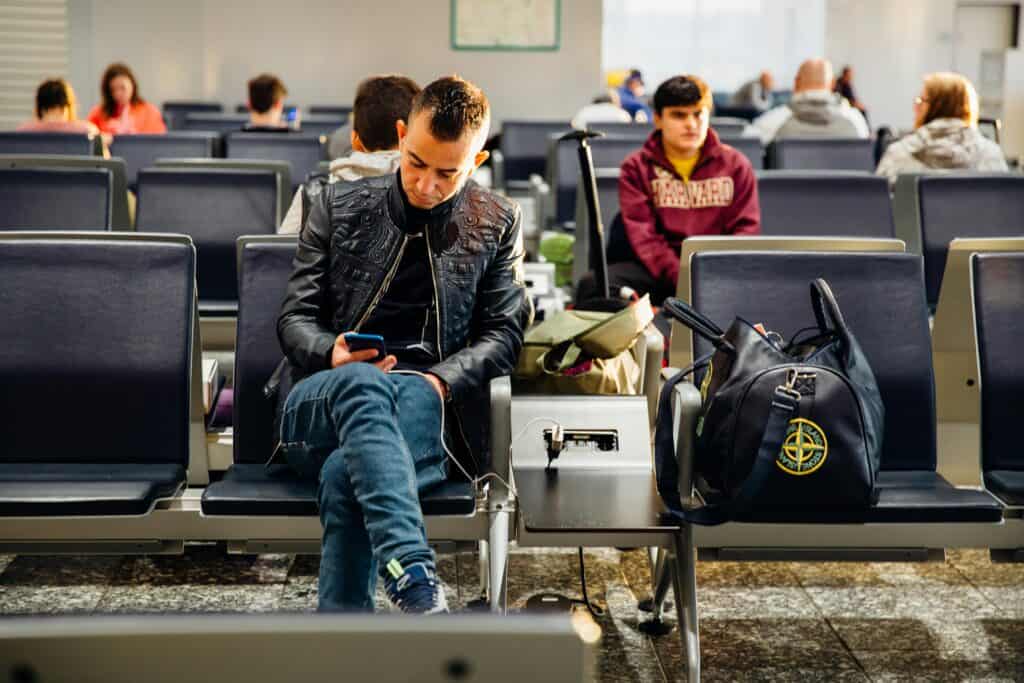
What Happens When You’re Stranded During Unstable Travel Periods?
Travel volatility has become cyclical. A winter storm in one region can create domino delays across hub airports days later. International disruptions layer on top of normal airline strain.
Recently, some travelers in Puerto Vallarta found themselves waiting days for rebooked flights after cancellations left them stuck abroad longer than expected. Situations like that are a reminder that when you are far from home and plans shift unexpectedly, the last thing you need is confusion about what you are owed.
When flights cancel abroad, emotions run high. Panic does not help. Documentation does.
Here’s what to focus on:
Keep receipts for everything. Meals, hotels, ground transportation. Even if the airline isn’t required to reimburse you, travel insurance or credit card benefits might.
Ask the airline for a written reason for the delay or cancellation. This matters when filing a claim. “Weather” versus “crew shortage” changes everything.
Don’t assume you have no options. Airline compensation rights vary by location and circumstance. Knowing the difference between what you’re entitled to and what you’re not saves frustration later.
Being stranded isn’t just inconvenient. It’s expensive. Understanding your rights puts you back in control.

Should You File Yourself or Use a Third-Party Compensation Service?
This is the real decision.
Filing Yourself
Pros:
You keep 100% of the payout. For straightforward EU claims, this can be worth the effort.
Cons:
It’s time-consuming. Airlines delay responses. Appeals may require legal follow-up. If the airline ignores you or denies your claim without clear justification, escalating on your own becomes a second job.
Using a Third Party
Services like AirHelp handle communication, escalate when necessary, and take a percentage of your payout (typically 25–35% plus fees).
If you’re organized and persistent, filing yourself may be worth it. If you’re exhausted, abroad, or being ignored by the airline, outsourcing may make sense.
We have filed claims ourselves when the case was straightforward. We have also outsourced when the airline stopped responding. There is no universal answer.
It depends on your situation, your patience, and how clear-cut your case is.
Is It Worth the Fee?
Let’s break this down.
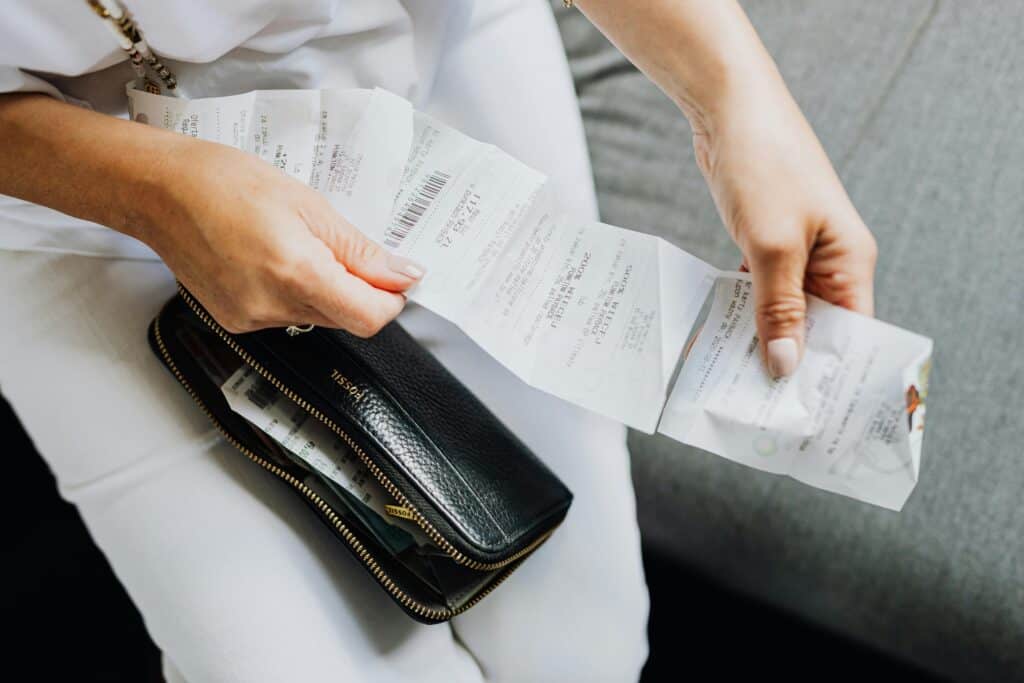
A $650 payout minus a 35% fee would leave you with about $420. For many travelers, that is still meaningful, especially if the alternative is giving up entirely.
A smaller payout might not justify the fee. If your compensation would only be around $270 and the service takes roughly a third, you are left with about $175. At that point, filing yourself might make more sense.
When the airline is clearly at fault, try filing yourself first. If they respond quickly and fairly, you’ve saved the fee.
When the airline is unresponsive or dismissive, escalation through a third party can move things along.
Some travelers love these services. Others feel the fees are high. Success depends on eligibility, and not every claim results in a payout.
Transparency matters. These services are not magic. They are leverage. Whether that leverage is worth the cost depends on your circumstances.
What You Should Do Immediately After a Delay or Cancellation
Act fast. Documentation is everything.
- Screenshot your flight details and delay notifications
- Save all emails and app alerts from the airline
- Ask the airline for a written reason for the disruption
- Keep receipts for meals, accommodation, and transportation
- Check your eligibility as soon as possible
- Don’t wait months to act—claim windows vary by jurisdiction
This checklist protects your options. Whether you file yourself or use a service, you’ll need this information.

What This Isn’t
This isn’t travel insurance. It won’t cover trip cancellations due to personal emergencies or cover lost luggage.
This isn’t a guarantee of payout. Eligibility depends on the facts of your case.
This isn’t compensation for every inconvenience. Delays under three hours, weather disruptions, and other extraordinary circumstances usually don’t qualify.
Understanding the limits protects you from disappointment.

Travel Volatility Is the New Normal
Airline chaos is not rare anymore. It is cyclical. Seasonal. Predictable.
This is not about profiting from disruption. It is about knowing your options when things do not go according to plan.
Airlines run tight operations. You should run tight documentation.
If you believe your flight qualifies, check your eligibility. File yourself or explore your options with a service like AirHelp. Do not assume you are powerless.
Travel boldly. Just do not leave your rights behind at the gate.
About the Author
Mike Sheridan is a hospitality expert, educator, and co-founder of Fagabond, with a doctorate in Education and a well-earned skepticism of industry jargon. A former hotel general manager and revenue manager, he brings years of experience in tourism, destination marketing, and countless hours in hotel back offices. A seasoned traveler who often spends months on the road, he approaches gay travel with a blend of academic insight, real-world experience, and a dry sense of humor.
Learn more about Fagabond and our contributors on our About Us page.