




Here’s a confession from people who book a lot of gay trips: choosing an LGBTQ-friendly neighborhood isn’t always as simple as booking a room in the famous gayborhood. We’ve stayed in those neighborhoods and regretted it more than once. Too loud. Too pricey. Too far from anything we actually wanted to do at 9 a.m. with a hangover and a museum reservation.
The truth nobody wants to put on a glossy travel page is that the historic gay district is not automatically where you should sleep. Sometimes it is. Often it isn’t. And with hotel prices climbing, major events bringing crowds to cities around the world, and gayborhoods evolving faster than ever, picking the right neighborhood matters more than picking the right flight.
So let’s skip the rainbow-crosswalk clichés and talk about how experienced LGBTQ+ travelers actually choose an LGBTQ-friendly neighborhood.
TL;DR
- Don’t assume the historic gayborhood is the best place to stay.
- Look past the rainbow flags. Visibility and safety aren’t the same thing.
- Prioritize transit and walkability over proximity to the bars.
- Read recent reviews from queer travelers, not blog posts from 2015.
- Match the neighborhood to how you travel, not how a tourism board wants you to.
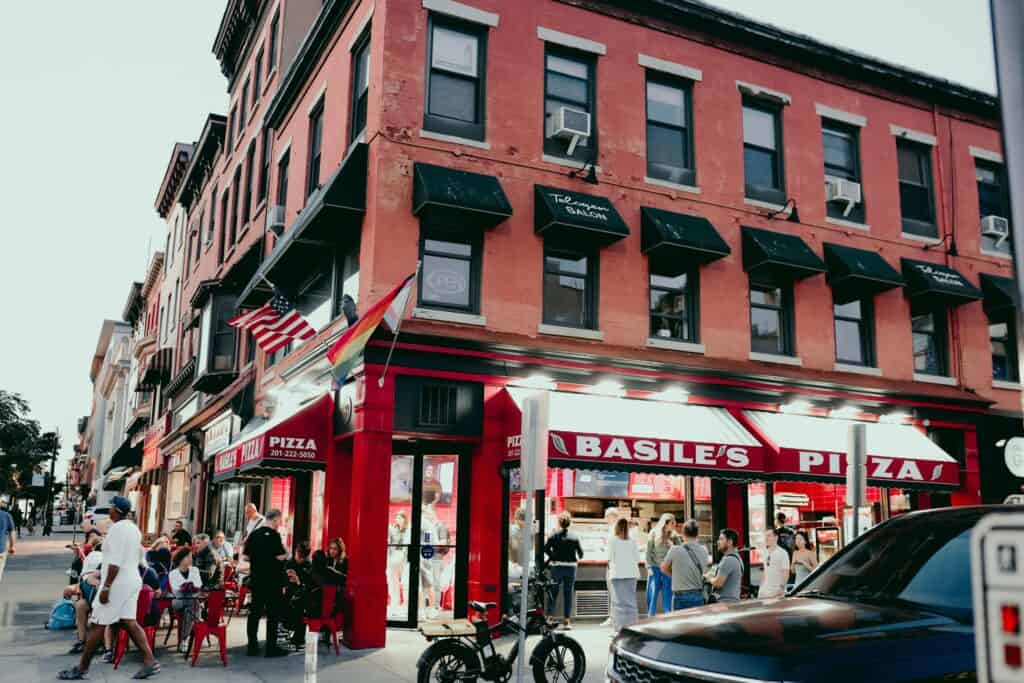
What Makes an LGBTQ-Friendly Neighborhood Today?
A neighborhood is LGBTQ-friendly when queer people can move through it comfortably, find community when they want it, and get home safely when they don’t. That’s it. Flags optional.
The problem is that “friendly” often gets measured in the wrong currency. People count gay bars and rainbow banners when they should be asking whether the streets are walkable at midnight, whether the locals shrug or stare when you check in with your partner, and whether there’s a recent reason to trust the place.
Visibility vs. Actual Safety
Visibility is a starting clue, not a verdict. A street lined with queer bars tells you the community gathers there. It does not tell you the area is safe at 2 a.m., affordable, or pleasant to sleep in.
Plenty of celebrated gay districts also come with pickpockets, inflated drink prices, and dark side streets. Meanwhile, some of the most comfortable neighborhoods we’ve stayed in had zero rainbow signage and a whole lot of normal: good transit, late-night corner stores, and neighbors who genuinely didn’t care who we were.
So what should you actually do? Use visibility to find the community, then check the boring stuff—lighting, transit, and recent reviews—to decide where to sleep.
The Difference Between Acceptance and Community
Acceptance means nobody bothers you. Community means somebody welcomes you. They are not the same, and you’ll want different amounts of each depending on the trip.
A quiet, accepting neighborhood is perfect when you want rest, space, and a calm base. A real queer community matters when you want connection: a bar with regulars, a coffee shop where the staff knows the local drag schedule, or a bookstore with a community board that isn’t from 2019.
Figure out which one you’re after before you book. A trip built around nightlife and meeting people needs community. A trip built around sightseeing and recovery just needs acceptance and a good metro stop.
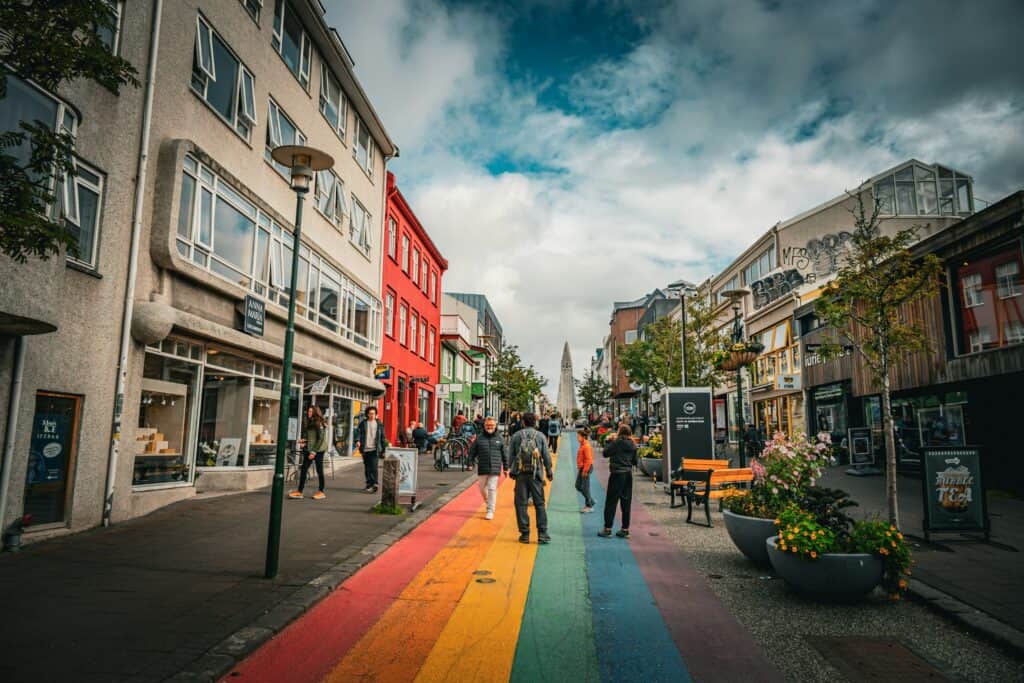
How Gayborhoods Have Changed
Many travelers still think of gay neighborhoods the way they existed twenty years ago: a concentrated community where LGBTQ+ residents, businesses, nightlife, and culture all lived within a few walkable blocks.
In some cities, that’s still true. In many others, rising rents, redevelopment, and changing social habits have reshaped the landscape. Some historic gayborhoods remain cultural centers but no longer house large numbers of LGBTQ+ residents. Others have become nightlife districts, tourist attractions, or expensive shopping areas.
At the same time, queer communities have become more dispersed. Dating apps, social media, and broader social acceptance mean LGBTQ+ people often gather across an entire city rather than in a single neighborhood.
That’s why asking, “Where’s the LGBTQ-friendly neighborhood?” is no longer enough. In 2026, the better question is, “Which neighborhood best fits the kind of trip I want to have?”
It’s also worth remembering that some destinations operate differently altogether. In places like Provincetown, Fire Island, Palm Springs, or Key West, the community extends far beyond a single district. The destination itself becomes part of the experience.

Should You Stay in the Gayborhood?
The honest answer is: sometimes, and not as often as you’d think.
When It Makes Sense
Staying directly in the gayborhood makes sense when nightlife is the point. If you’re traveling for Pride, a circuit event, or a weekend built around bars and dancing, proximity is worth the noise and the markup. Stumbling distance has real value at 3 a.m., and so does being surrounded by your people for a few high-energy days.
It also makes sense if it’s your first time in a city and you want the comfort of an obvious, walkable, queer-dense base while you find your footing.
When Staying Nearby Is Smarter
For most other trips, staying near the gayborhood beats staying in it. You get the energy without the noise, the access without the premium, and a much better night’s sleep.
This is what seasoned travelers do constantly. Visitors to San Diego often stay just outside Hillcrest. People exploring San Francisco frequently base themselves a transit hop from the Castro rather than on top of it. The math is simple: a quieter adjacent neighborhood with a reliable train line gives you the whole experience and a bed you can actually rest in.
So what should you do? Find the gayborhood, then look one neighborhood over with solid transit. That’s usually the sweet spot.

Five Things to Check Before Booking
Before you commit to any neighborhood, run it through these five checks. They take ten minutes and save entire trips.
Transit
Look at how your potential base connects to the places you’ll actually go. A cheap room means nothing if every night ends with a long, expensive rideshare. Check whether trains or buses run after midnight, because nightlife districts empty out late and you don’t want to be stranded.
Late-Night Safety
Pull up the route from the bars back to your bed and look at it honestly. Is it walkable? Well-lit? Busy with other people, or dead after 11 p.m.? Street-level safety is the detail tourism boards never mention and travelers never forget.
Local LGBTQ+ Venues
Check that the queer venues you’re excited about still exist and still have a pulse. Bars close. Neighborhoods change. A guide from a few years ago might be sending you to a condo that used to be your dream club. Recent reviews and active social accounts are your proof of life.
Recent Reviews
Filter for recent reviews and read comments from other queer travelers, solo travelers, and women. They flag the things listings hide: thin walls, sketchy blocks, rude staff, broken transit. One review is a data point. A pattern is the truth.
Cost vs. Convenience
Weigh the nightly rate against what it actually costs to stay there. A bargain room in a far-flung area can quietly cost more once you add rideshares, time, and stress. Sometimes paying a little more for walkability is the cheaper choice.
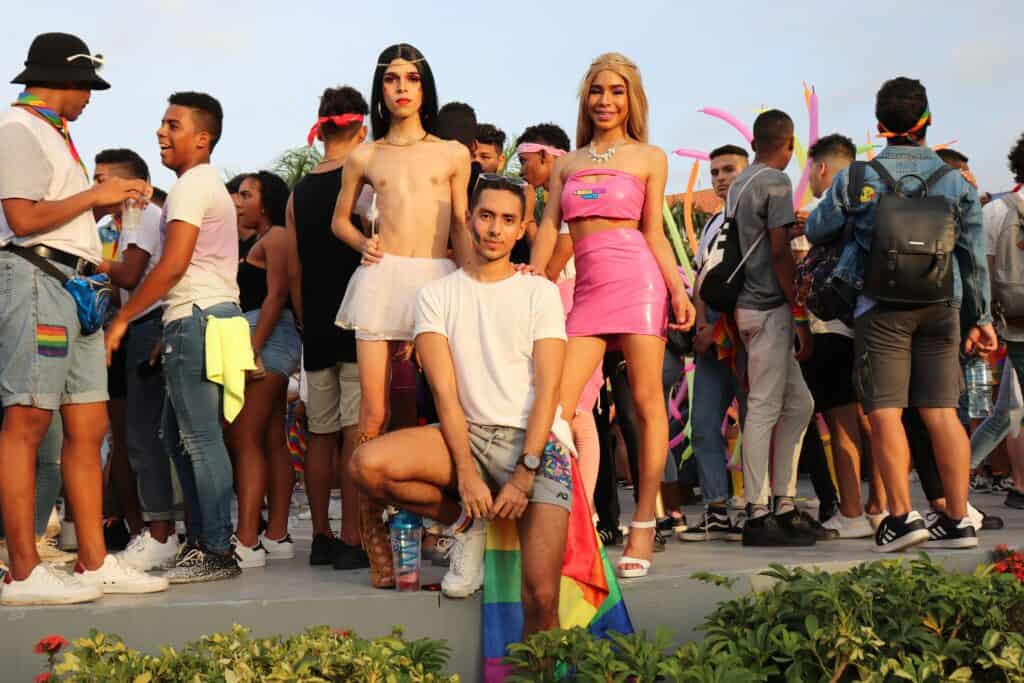
How Different LGBTQ+ Travelers Evaluate Neighborhoods
Here’s the part most guides skip entirely: the “best” neighborhood depends on who’s asking. The same block can feel like home to one traveler and a headache to another.
Solo Travelers
Going alone? Prioritize busy, well-lit, well-connected areas where you’re never the only person on the street. Community venues matter more too, because a friendly bar or café can turn a solo trip into a social one. Safety and connection beat bargain rates here.
Couples
Couples can trade some nightlife proximity for comfort and charm. A quieter, walkable neighborhood with good restaurants and an easy route into the action often makes for a better trip than crashing in the middle of the party. Bonus points for a place where holding hands on the street is a non-event.
Students
Tight budgets, big curiosity. Students should look for affordable areas with strong transit connections and student-friendly nightlife, even if that means staying outside the expensive city center.
Traveling while balancing classes, internships, and deadlines comes with its own challenges. For students trying to juggle coursework and trip planning at the same time, services like write my essay for me can help free up time to focus on the travel experience instead of stressing over an approaching deadline.
Trans and Gender-Nonconforming Travelers
Comfort and safety deserve extra weight here. Look for neighborhoods with visible, current queer community, accessible healthcare nearby, and reviews from trans travelers specifically. Local laws and attitudes can shift dramatically from city to city, so research recent experiences rather than relying on a general “gay-friendly” label.
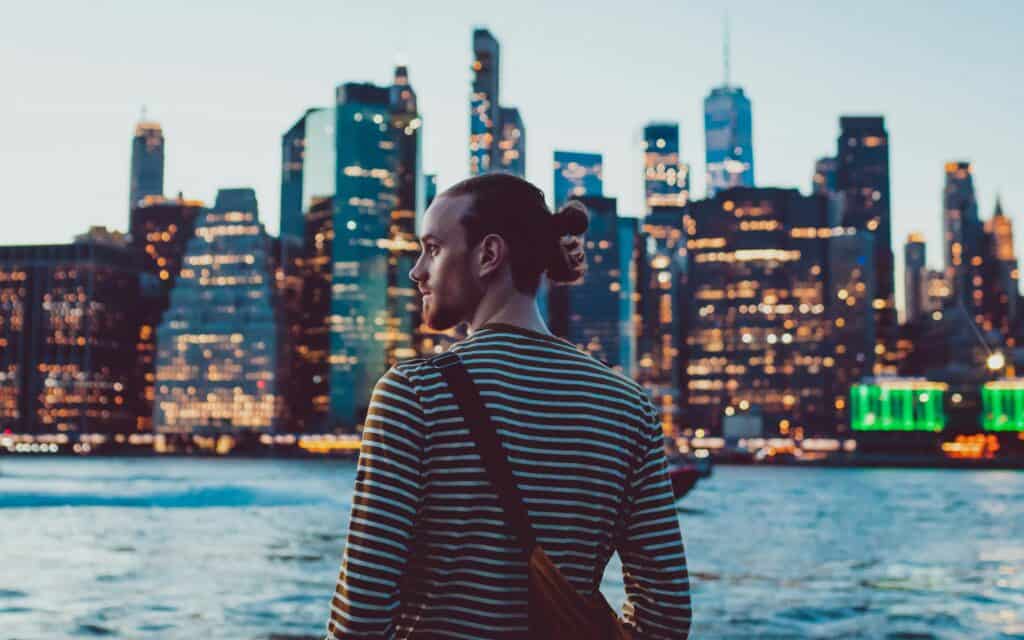
Cities Where the Historic Gayborhood Isn’t the Whole Story
The famous districts still matter. But, they rarely tell the full story because rent, gentrification, and tourism have pushed younger queer life elsewhere.
New York
Greenwich Village holds the history, including Stonewall, but the actual queer scene scattered years ago. Younger LGBTQ+ life leans toward Brooklyn and shifting pockets across the boroughs. Stay where the subway treats you well, not where the plaque is.
London
Soho is iconic, central, and absolutely worth a night out. It’s also expensive and increasingly more about tourists than locals. East London and other corners now carry a livelier, less polished queer energy, and your wallet will thank you for staying near a good transit line instead of directly above the bars.
Berlin
Schöneberg owns the history, but Berlin’s queer life has long sprawled into Kreuzberg, Neukölln, and beyond. The “scene” here isn’t one neighborhood—it’s a citywide attitude. Pick your base by how you’ll get home from a club that doesn’t close until daylight.
Amsterdam
The classic center-city bars are still there, but the city is crowded, pricey, and heavy on tourist traps. The smarter move is often a well-connected neighborhood slightly removed from the chaos, close enough to enjoy it and far enough away to sleep.
Madrid
Chueca is genuinely fun and very much alive, which is the exception more than the rule. Even so, it gets loud and touristy, so a quiet adjacent street with quick metro access gives you the party on your terms.
The pattern across all of them is the same: the historic gayborhood is a landmark, not a mandate. Treat it as one option among several, not the default.
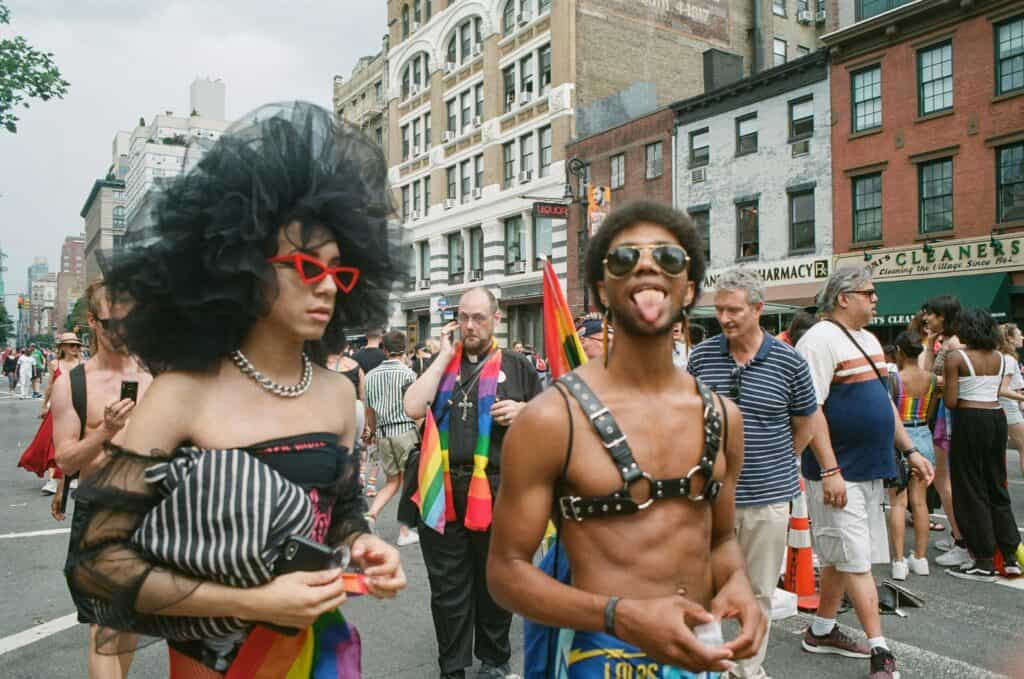
Stop Asking “Where’s the Gay Neighborhood?”
The smartest LGBTQ+ travelers don’t ask where the gay neighborhood is. They ask which neighborhood fits how they travel.
That single shift changes everything. It moves you past the rainbow crosswalk and into the practical stuff that actually makes or breaks a trip: transit, safety, cost, community, and sleep. The famous gayborhood will always be there for a night out. Where you choose to wake up is the real decision.
Do the ten minutes of homework. Check the transit, read the recent reviews, match the vibe to your trip, and book the neighborhood that fits the traveler you actually are.
Then go enjoy the city like you own it. Because for a few glorious days, you kind of do.
About the Author
Blue Monroe is a Los Angeles–based contributor to Fagabond, writing about gay travel through the lens of culture, identity, and lived experience. A drag devotee with a background in digital storytelling, Blue regularly covers LGBTQ+ travel, events, and queer culture with authenticity, humor, and heart.
Learn more about Fagabond and our contributors on our About Us page.