


There are plenty of beach towns in America. Charming ones, even. Most of them tolerate queer visitors. A handful actively welcome them. A few might even hang a rainbow flag and call it representation. And then there’s Provincetown, where queer culture isn’t an afterthought. It’s the whole story.
Asking why visit Provincetown right now almost feels too easy. The political climate for LGBTQ+ Americans has shifted in ways that make queer gathering spaces more valuable than they’ve been in years. Rights that felt settled are being re-litigated. Visibility that felt normal is being challenged. Against that backdrop, a place where queer life is woven into the fabric of daily existence stops being just a vacation destination. It becomes something closer to a necessity.
Provincetown has been building toward this moment for over a century. Artists arrived first, drawn by the freedom to experiment and live a little more openly. Activists followed. Then came generation after generation of queer travelers who found something rare: a place where they didn’t have to explain themselves.
That’s still what makes P-town worth the trip.
TL;DR
- Provincetown is one of the most genuinely welcoming LGBTQ+ destinations in the world, not performatively, actually.
- Summer 2026 highlights: Pride (June 5–7), FROLIC (June 17–22), Bear Week (July 11–18), Family Week (July 25–August 1), and Carnival (August 15–22).
- 40 galleries, a living artist colony, and a drag scene that doesn’t quit.
- Stunning natural setting with beaches, dunes, whale watching, and the Cape Cod National Seashore on its doorstep.
- If you’re wondering why visit Provincetown now, the answer is simple: community, culture, and a place that still shows up.
Why Visit Provincetown Now
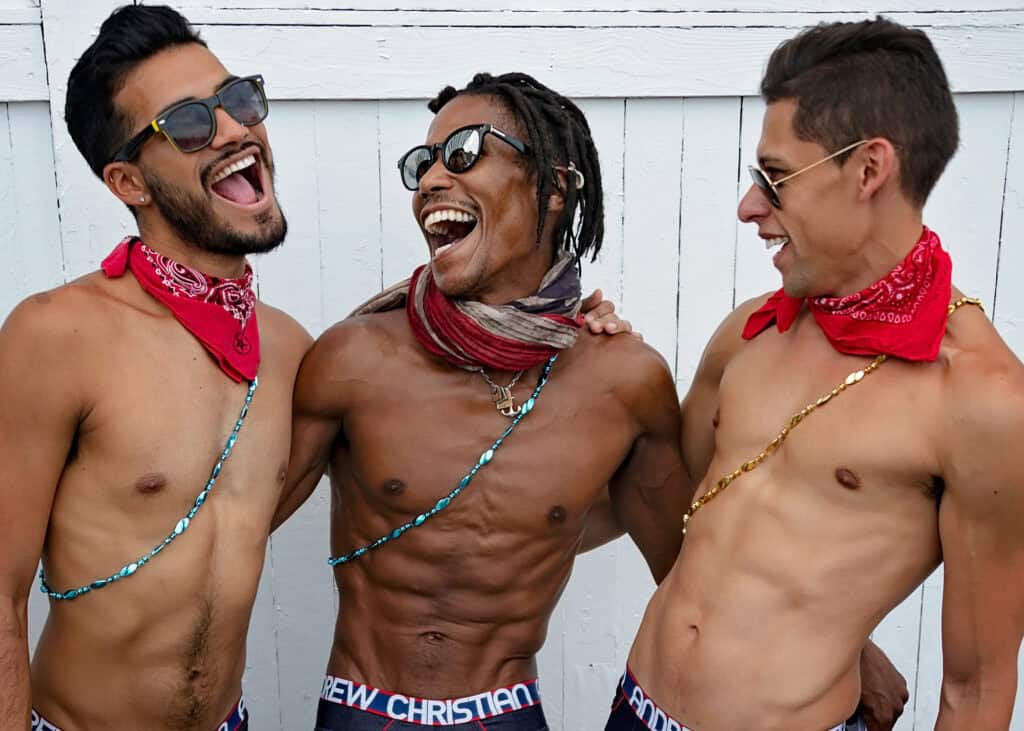
Walk down Commercial Street on any summer afternoon and you’ll see queer couples holding hands without a second thought. Drag queens running errands. Older gay men who’ve been making the pilgrimage since the 1970s sitting alongside first-timers who can’t quite believe a place like this exists. That kind of visibility matters, and not in an abstract, hashtag-activism way. It’s a real, felt-in-your-body kind of importance.
More Than Just a Gayborhood
This isn’t a queer-friendly neighborhood tucked inside a larger, straighter city. The town itself grew around the LGBTQ+ community. Much of its economy and culture emerged directly from queer life. Businesses are LGBTQ+-owned. The arts scene evolved alongside that history. The nightlife too. Even its political legacy reflects that influence: Massachusetts was the first state to legalize same-sex marriage, and Provincetown was among the first places in the country issuing those licenses.
But this isn’t a museum piece. That legacy is still very much alive. Inclusivity here isn’t a Pride Month slogan. It’s just how the place works. Visiting Provincetown now isn’t about checking a box. It’s about choosing a place that still puts queer life front and center.
A Place to See and Be Seen
Locals often talk about the small-town dynamic. Ptown has a year-round population of only a few thousand, and even when it’s packed wall-to-wall with summer gays, it still feels weirdly intimate. You’ll bump into the same faces over and over. Solo traveler? Making friends here is almost embarrassingly easy.
What Makes Summer in Provincetown Special
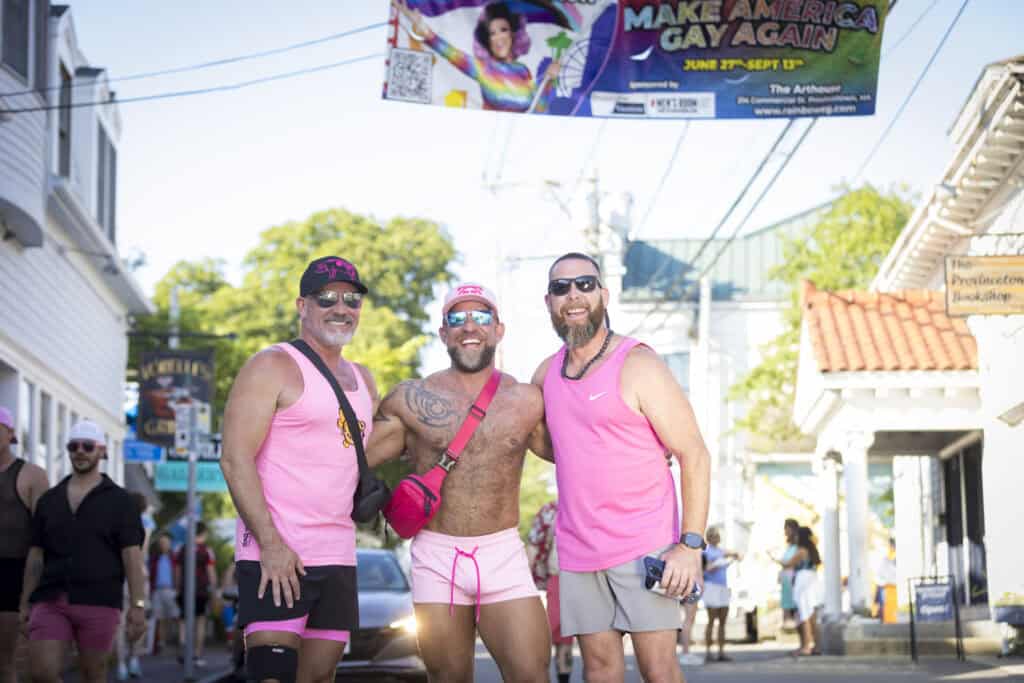
Provincetown has a year-round community, but summer is when the town hits its full stride. The season runs on a calendar of themed weeks, each drawing a slightly different crowd and a noticeably different energy.
Signature Summer Events
Provincetown Pride (June 5–7) kicks things off with a celebration that manages to feel both political and genuinely joyful. FROLIC (June 17–22) brings together men of color for a six-day celebration of queer joy. Bear Week (July 11–18) draws the bear community from across the country for parties, pool gatherings, and a truly impressive amount of flannel in the summer heat. Family Week (July 25–August 1) centers LGBTQ+ families and has become one of the most beloved weeks on the calendar, wholesome but makes it gay. Girl Splash (July 25–26) brings lesbian and queer women to the forefront. And then there’s Carnival (August 15–22), which is chaotic, costumed, wonderfully unhinged, and the undisputed peak of the summer season.
A Different Crowd Every Week
The town’s vibe shifts noticeably from week to week. Come during Bear Week and the energy is completely different from Family Week. Arrive during Carnival and you’re in a different town entirely. That variety is why so many people come back multiple times in a single summer. For full event details, check out Provincetown’s Calendar of Events.
The Art Scene That Actually Means Something
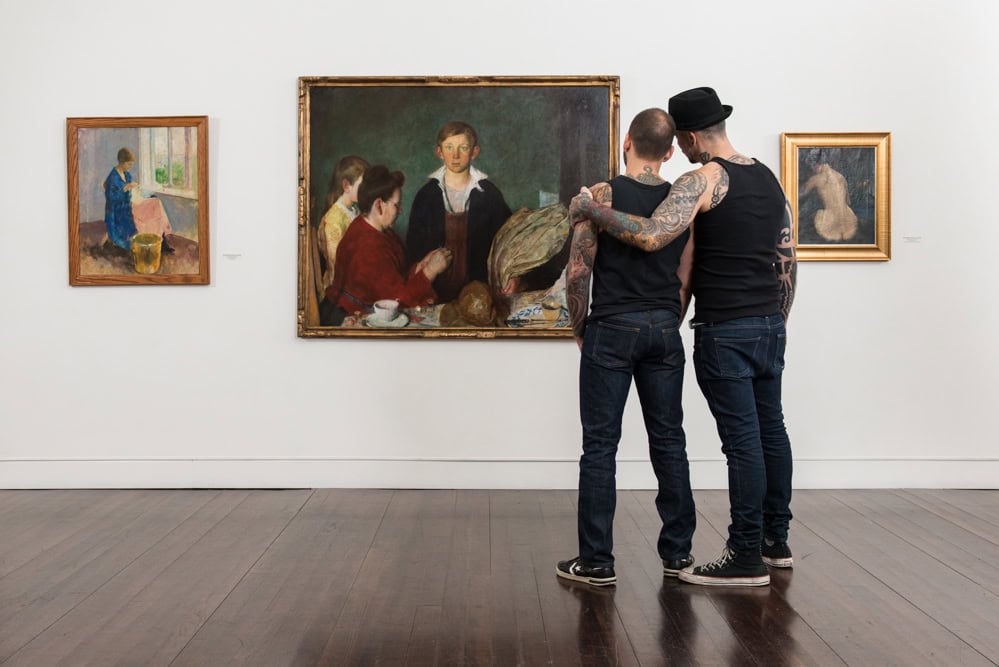
Long before Provincetown became the LGBTQ+ destination it is today, it was already a magnet for painters, writers, and performers who could experiment without judgment. That rebellious spirit never died; it just merged with the queer energy that followed.
What that means for visitors: you won’t find a strip of tourist galleries hawking the same mass-produced beach paintings.
The Artist Colony Lives On
With more than 40 galleries in town, many still closely tied to working artists, the work here is original. It’s sometimes challenging, occasionally just plain weird, and rarely generic.
Some artists arrive for a week. Others return every summer. For example, New York-based photographer Ryan Rudewicz brings his widely followed queer Polaroid work to town each season, including a curated show at Studio Lacombe in late August. Painters like Michael Lyons, who splits his time between Providence and Provincetown, use the town itself as subject matter, capturing the color, movement, and small details that define a summer day here.
That’s the difference. You’re not just walking into a gallery. You’re stepping into a place where the work is still being made, often by the same people you might pass later on the street.
Public Art Everywhere
The Provincetown Public Art Foundation also ensures that art spills out beyond gallery walls, showing up on streets, in parks, and along the waterfront.
Drag, But Make It a Lifestyle
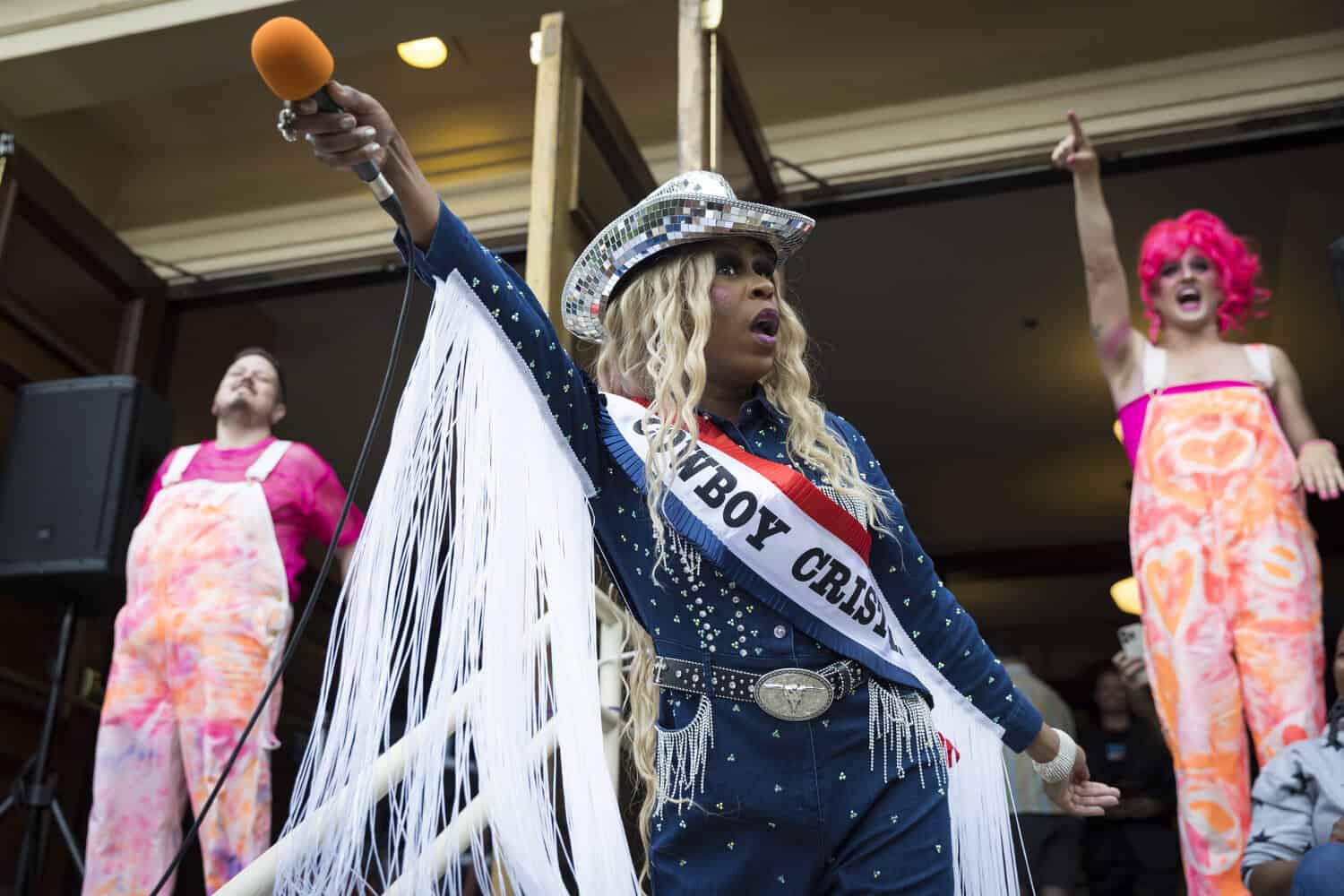
On any given night, you can bounce from venue to venue catching everything from polished, Broadway-worthy cabaret to something beautifully unhinged and experimental. But what makes Ptown’s drag scene genuinely special isn’t just the volume of shows. It’s that these queens aren’t passing through. They live here, at least for the summer. They come back year after year, becoming part of the town’s actual fabric.
Local legends like Miss Richfield 1981 have been holding court for years, evolving their shows alongside loyal audiences. RuPaul’s Drag Race royalty doesn’t just pop in for one-night gigs. They settle in for extended runs, using Ptown as a personal laboratory to test new material. It feels less like a tour stop and more like a residency.
Because these queens are around all season, you don’t just see them on stage. You see them grabbing coffee, biking down Commercial Street, existing. In Provincetown, drag isn’t just nightlife. It’s part of the social contract.
The Nature Part (Yes, Really)
Here’s what surprises people who’ve only heard about Provincetown’s party reputation: the natural setting is extraordinary.
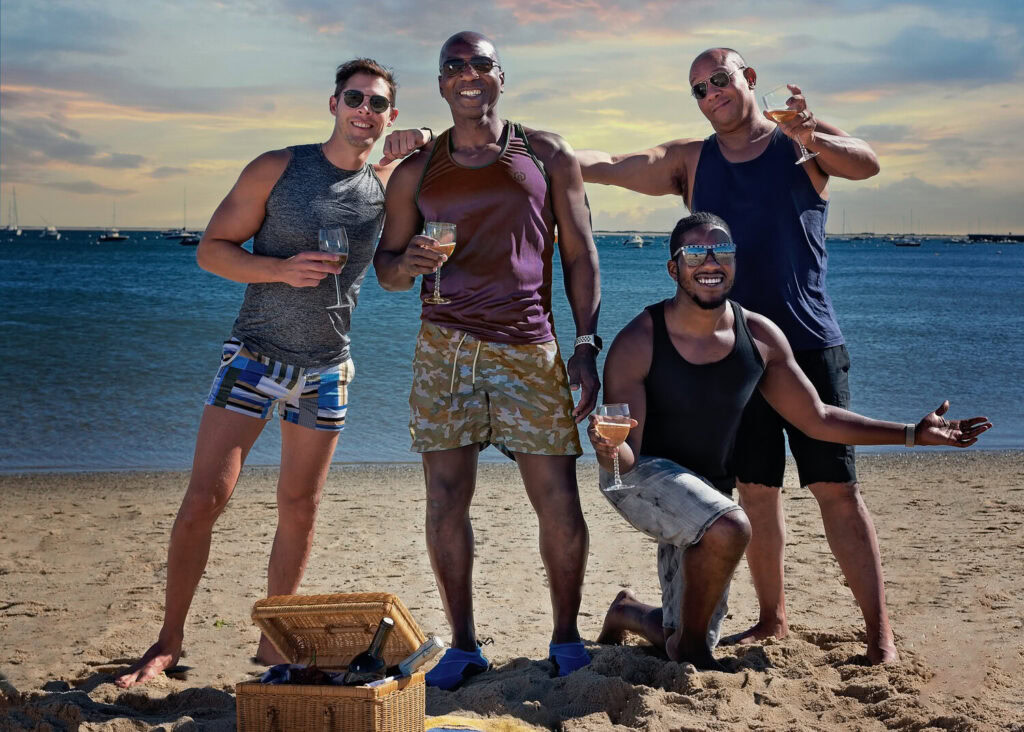
The town sits at the very tip of Cape Cod, surrounded by water on three sides. Beaches range from calm harbor-side spots to dramatic, wind-shaped dunes bordering the Cape Cod National Seashore. This protected stretch covers over 43,000 acres of some of the most unspoiled coastline on the East Coast. Whale watching is a genuine highlight; the waters off Provincetown sit within a federally designated marine sanctuary, and humpback sightings are common from late spring through fall. Kayaking the harbor on a quiet morning, cycling through pitch pine forest out to beaches that feel genuinely remote, it’s all right there.
The combination of world-class natural beauty and world-class queer culture is genuinely unusual. Most destinations offer one or the other. Provincetown offers both, and they coexist without any tension whatsoever.
Why People Keep Coming Back
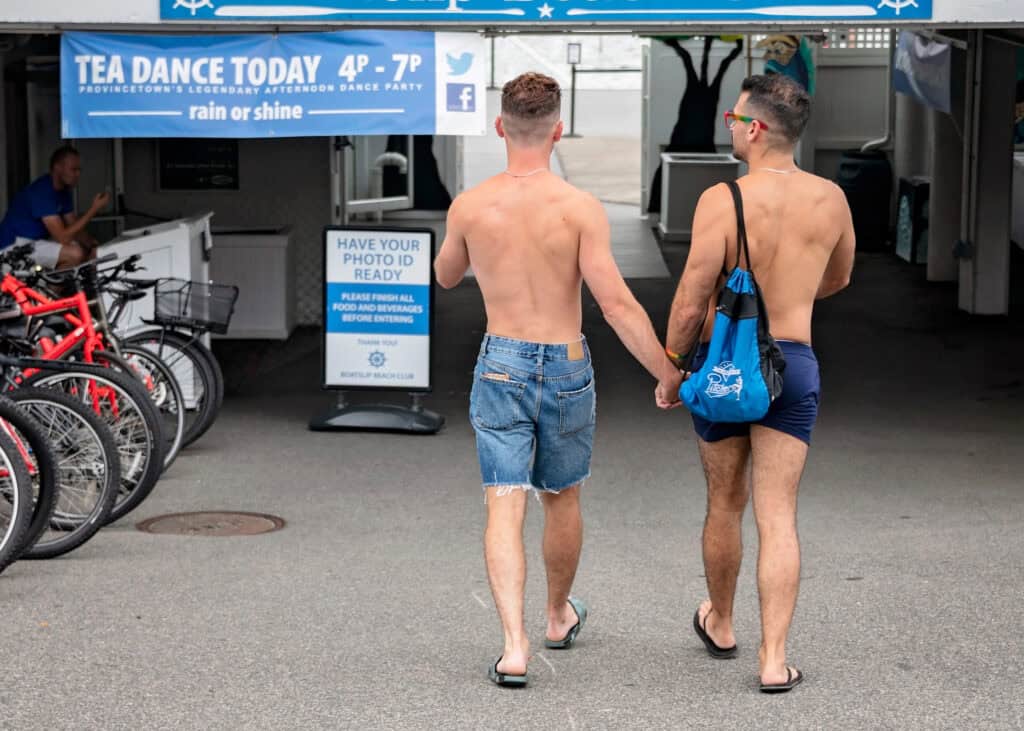
Ask someone why they return every summer and you’ll get a version of the same answer: it feels like home. For a significant number of queer travelers, Provincetown has become a ritual. They book the same week every year, stay at the same guesthouse, reconnect with people they only see here. The town becomes part of the structure of their year.
That loyalty isn’t manufactured. It comes from the experience of feeling genuinely welcomed and genuinely seen. For many people who grew up in places where queerness was invisible or actively unwelcome, this is still powerful every single time they arrive. Spend a few days here and the question of why I should visit Provincetown now starts to answer itself.
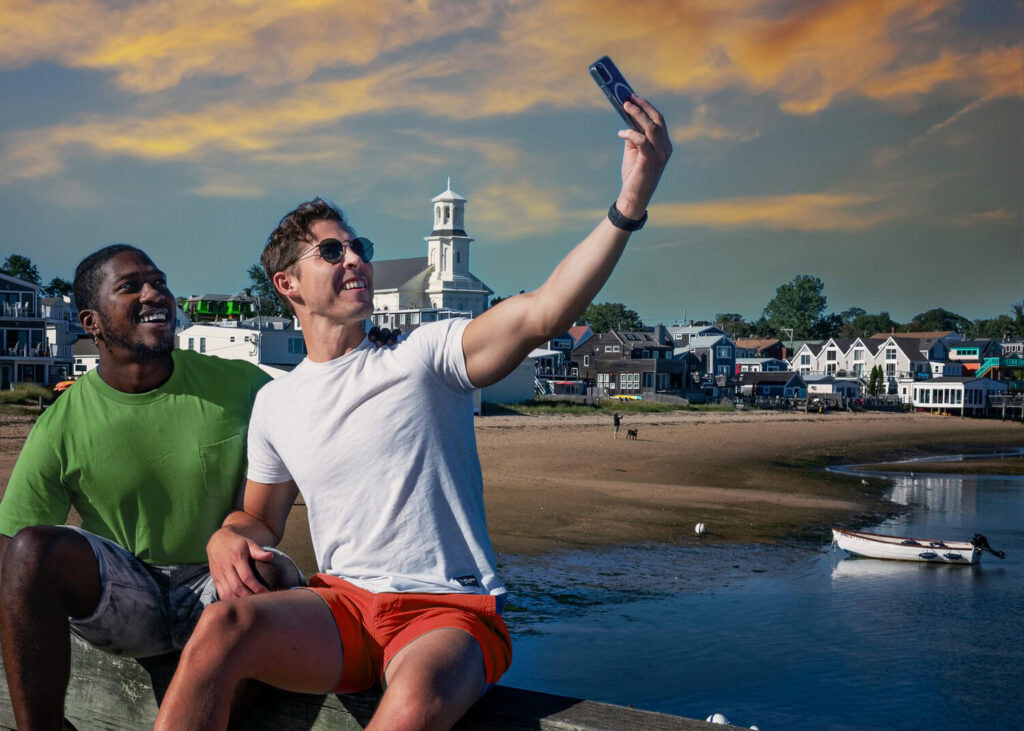
Provincetown Hasn’t Peaked
Why visit Provincetown now? Because the combination is genuinely rare: proximity to a major city, idyllic beaches, a serious art scene, and an unpretentious vibe that feels welcoming rather than performative. A deep sense of community. A cultural history that still shapes everyday life.
And because no matter how many beach towns there are in America, almost none of them are doing what Provincetown has been doing for over a hundred years by centering LGBTQ+ identity, not just accommodating it.
That’s still worth traveling for. That’s still worth building a trip around.
Start with the Provincetown Events Guide and find the week that fits your vibe. Then book early. Ptown in summer fills up fast, and honestly, can you blame it?
Photos supplied by the Provincetown Office of Tourism for this “Why Visit Provincetown Now” article
Note: This article, “Why Visit Provincetown Now,” was sponsored by the Provincetown Office of Tourism. All opinions are our own—we never compromise integrity for sponsorship.
About the Author
Blue Monroe is a Los Angeles–based contributor to Fagabond, writing about gay travel through the lens of culture, identity, and lived experience. A drag devotee with a background in digital storytelling, Blue regularly covers LGBTQ+ travel, events, and queer culture with authenticity, humor, and heart.
Learn more about Fagabond and our contributors on our About Us page.