




Let’s be real: travel in 2026 isn’t about discovery. It’s about endurance. It’s about that “I need this to actually work or I will scream” kind of energy.
After the absolute chaos of 2025, many of us are rethinking our plans. Flights cost a fortune. Cities feel… off. Pride sometimes feels like a corporate seminar. And ‘gay-friendly’ has lost its meaning. A lot of trips that used to feel freeing now just feel like unpaid labor. Even traditionally ‘easy’ options—like vacation packages to Portugal—are appealing less for the destination itself and more for the promise of fewer decisions.
That’s why these gay travel ideas for 2026 aren’t about checking boxes on a map. This is not a destination list. They’re about choosing trips on purpose. We’re matching them to our energy, our politics, our bodies, and our rapidly dwindling bandwidth.
Some are sexy. Others are quiet. A few are confrontational. But all of them focus on how travel feels, not just how it looks on the ‘Gram.
TL;DR — If You’re Planning Travel in 2026:
- Give back: Choose trips that offer more than just content opportunities.
- Ditch the hype: Unless you actually enjoy standing in lines for chaos.
- Read the vibe: Look past the rainbow marketing.
- Respect your boundaries: Travel that honors your body wins every time.
- Be picky: Not every gay event is for every gay traveler and that’s okay.
Here are ten gay travel ideas for 2026 to help you move through the year with more intention and less BS.

1. Getting Naked on Purpose
Clothing-optional travel isn’t about being brave anymore. It’s about being comfortable.
In 2026, dropping the towel feels less like a stunt and more like sweet relief. No outfit planning. No sucking in for a “before” photo. Just existing.
For many of us, getting naked isn’t always about sex. It’s about finding a space where your body isn’t being ranked, improved, or optimized. Who cares if you skipped leg day? The nudity fades into the background, which is exactly the point.
Places like Palm Springs still reign supreme here. With resorts clustered around Warm Sands, the vibe is casual, not competitive. You tan, swim, chat, and nap. Simple.
This same sense of ease extends to specific resorts. Take Island House in Key West, which celebrates its 50th anniversary in 2026. Its enduring success is built on that same principle of assumed comfort—no one is trying to sell you a fantasy version of freedom.
And for those looking to venture abroad, trips like Everything To Sea prove that nudity can be routine, not a spectacle. The novelty wears off quickly, leaving you with pure, simple ease.
Lean into: Environments that are relaxed over sexualized.
Avoid: Spaces where everyone seems to be auditioning for a reality show.
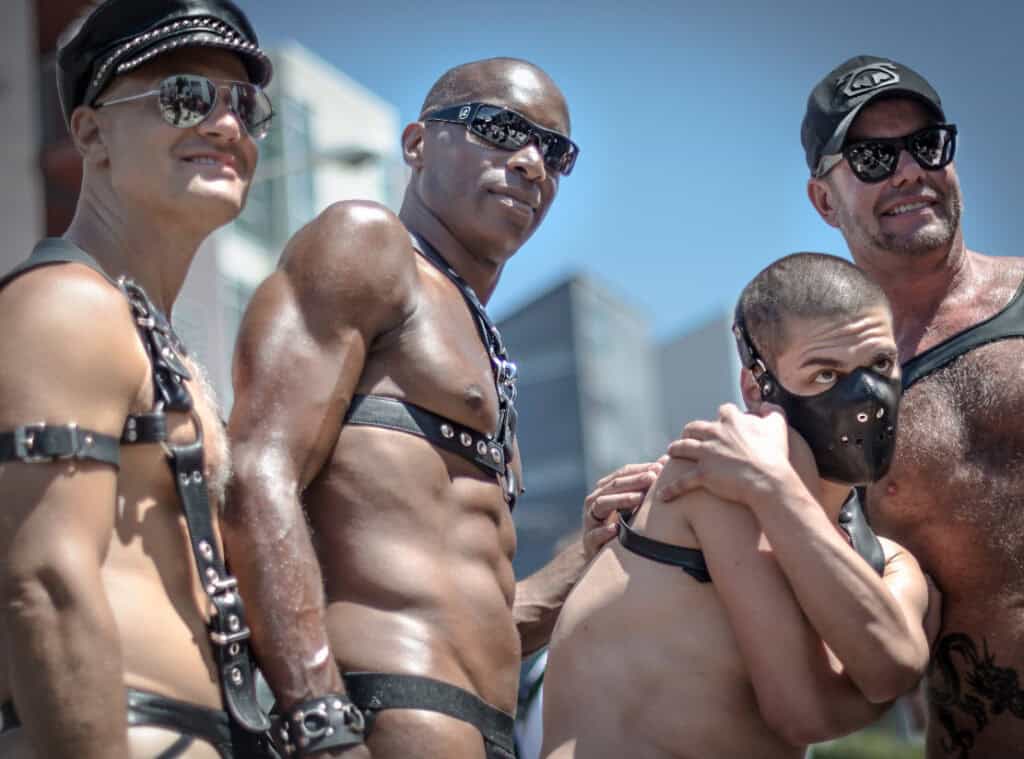
2. Lean Into Kink — With Boundaries
Kink travel in 2026 isn’t about shock value. It’s about self-knowledge.
The best fetish spaces are structured and consent-forward. The worst ones assume “more is better” and leave everyone overwhelmed. Exploration only works when the rules are clear.
Events like Mid-Atlantic Leather (MAL), held each January, matter because they offer structure. A weekend of gear and ritual pushes boundaries safely because you know where the lines are. It’s not about doing everything; it’s about noticing what holds your interest.
Internationally, Berlin’s Lab.oratory works because expectations are strictly enforced. You’re told how to behave, so curiosity becomes possible. Contrast that with Folsom Street Fair—iconic, yes, but often overwhelming for beginners. Folsom is better for witnessing kink culture than diving in headfirst.
Lean into: Events with clear expectations and where “no” is a complete sentence.
Avoid: Mistaking intensity for intimacy.
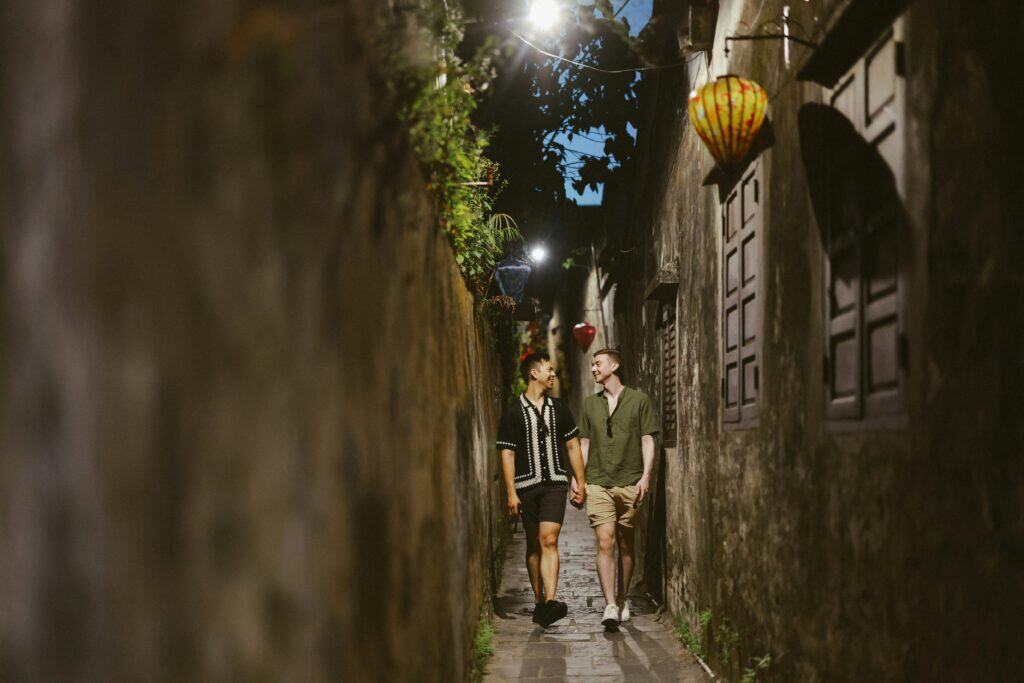
3. Take a Couples Trip That Makes Space for Romance
Somehow, a hockey romance managed to reset the group chat.
After Heated Rivalry, people weren’t just thirst-posting. Judging by the internet alone, suddenly everyone had thoughts about commitment, intimacy, and whether their situationships were sustainable. Not scientific. Still telling.
That shift doesn’t have to stay on the internet. In 2026, couples travel isn’t about pretending romance is automatic just because you booked the cottage. It’s about choosing trips that slow you down enough to actually feel connected again.
Plane tickets beat flowers every time, but the setting has to do some of the work. Romantic travel works best when the environment supports closeness instead of distraction. Places like New Hope work because they don’t demand performance. You wander, you eat way too much good food, and you actually hold hands like people who like each other. Nothing is optimized for content, which is exactly why it works.
Lean into: Destinations that encourage lingering and doing less, together.
Avoid: Measuring your relationship against the curated couples on your feed.
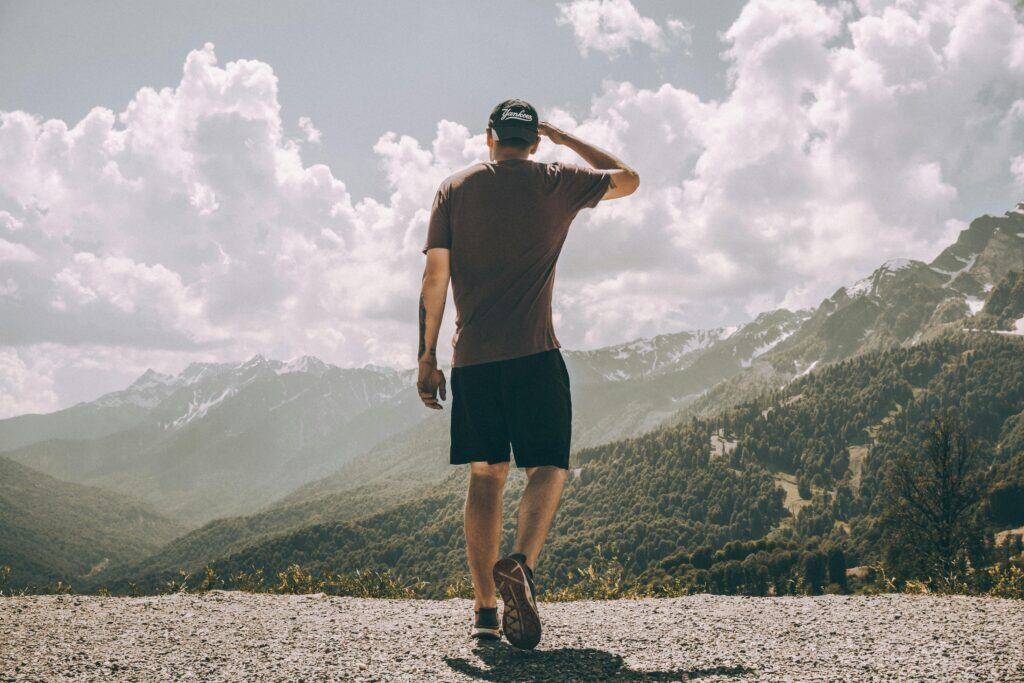
4. Travel Solo Without the Self-Care Clichés
Solo gay travel in 2026 doesn’t always have to be “empowering.” Sometimes, it’s just quiet. And that’s enough.
Traveling alone forces honesty. You notice things faster. You realize when you want company and when you absolutely don’t.
The shift? Apps are better at supporting solo travel than defining it. They can help you orient yourself, find company, or understand where cruising happens if that’s your thing. But they don’t replace the experience of being somewhere new.
Solo socializing has a shelf life. Walking into a bar alone can feel freeing at 6 PM and quietly exhausting by 10 PM. Good solo travel is about designing your days, not just filling them to avoid silence.
Lean into: Walkable neighborhoods and one anchor activity per day.
Avoid: Packing your schedule just to avoid being alone with your thoughts.
5. Revisit Queer History While It Still Matters
Queer history used to feel optional. Now, it feels grounding.
With rights being questioned or quietly rolled back, returning to where it all started hits different. This isn’t about dusty museums; it’s about remembering that progress was fought for, not gifted.
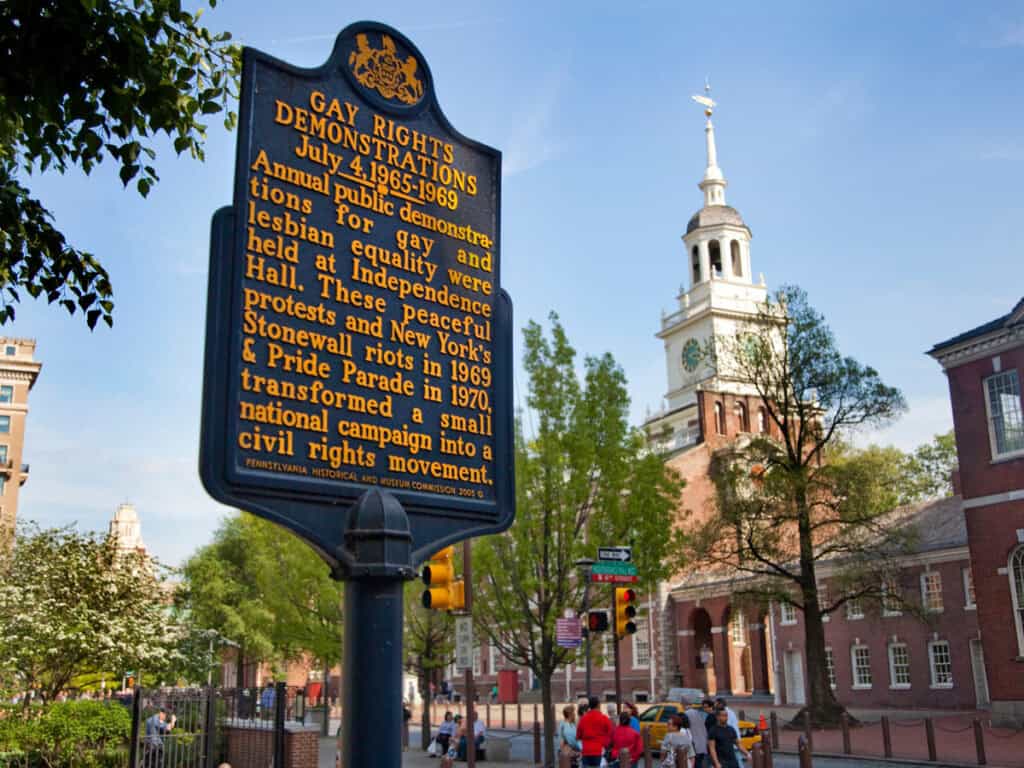
That’s why America’s 250th anniversary matters for queer travelers, especially in Philadelphia.
Philadelphia’s significance isn’t about where LGBTQ+ rights began. It’s about how people later showed up to challenge the promises made in 1776. In the 1960s, gay and lesbian activists stood outside Independence Hall demanding that those founding ideals apply to them, too. These protests were not celebratory. They were bold, visible, and confrontational. They proved that progress comes from insisting on being seen.
One practical note: you don’t need to plan this trip around July 4th. In fact, you probably shouldn’t. Anniversary events will draw massive crowds and sell out hotels quickly. Visiting earlier in the year or during quieter shoulder seasons gives you the space to actually engage with the history instead of navigating it in a crowd.
Traveling to historical sites in 2026 isn’t nostalgia. It’s context. It reframes what’s at stake. Use this moment to trace queer history more broadly, from bars that doubled as organizing hubs to neighborhoods that were erased and rebuilt, to stories that never made it into textbooks.
Lean into: Walking tours led by locals who know the real tea.
Avoid: Treating history like a checkbox to tick off.
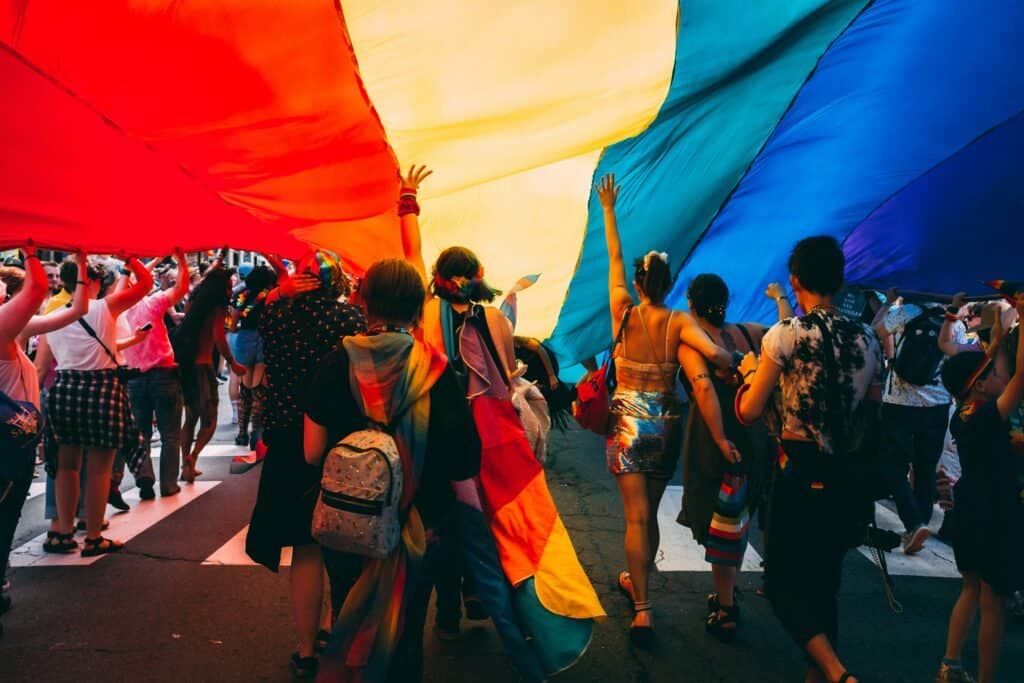
6. Choose Pride With Intention
For a while, Pride felt optional. In 2026, it feels intentional again.
With rights challenged daily, Pride is back to its original purpose: being seen when it would be easier to hide.
But exercise judgment. Not every Pride carries the same weight. Take Florida. It’s complicated and frustrating, but it’s home to a massive community. Showing up there isn’t endorsing state politics; it’s solidarity with the people who stay visible anyway. Spend your money at queer-owned businesses that don’t get to leave when the news cycle moves on.
Lean into: Prides with strong local involvement.
Avoid: Treating every Pride as interchangeable.
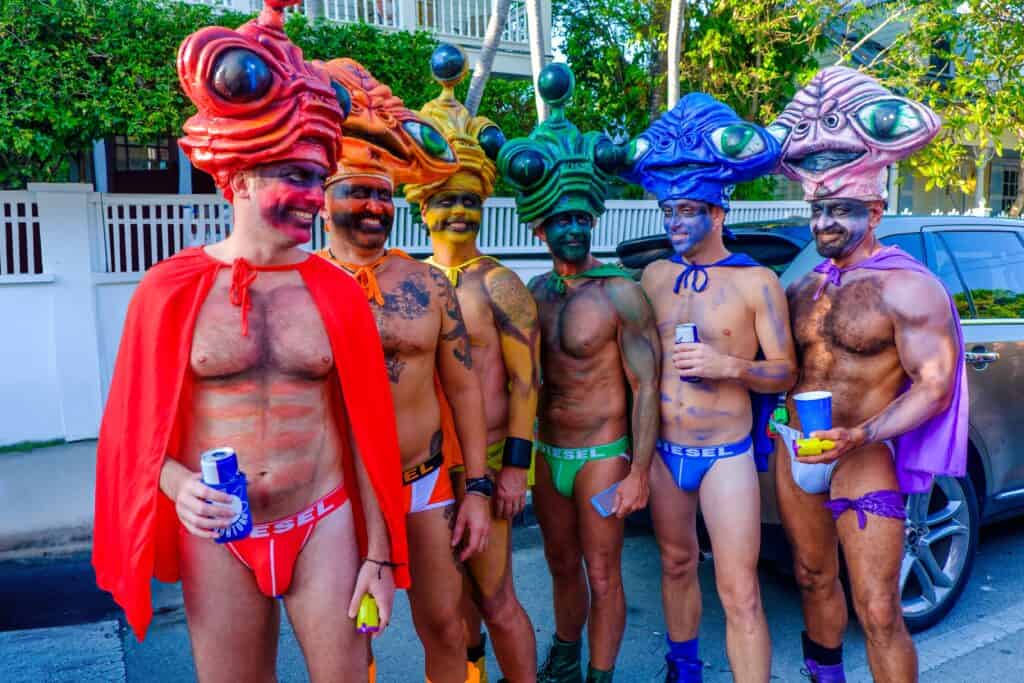
7. Dress Up to an Obsessive (and Borderline-Inappropriate) Level
Some trips work because subtlety isn’t invited.
Halloween travel rewards full commitment. Dressing up isn’t a side quest; it’s the main mission. When costumes are the baseline, inhibition drops.
For queer travelers, Halloween has quietly dethroned every other holiday. It’s the one time of year when being “too much” is the bare minimum. Excess, self-invention, and visibility aren’t just tolerated. They’re the point.
New Orleans understands this. Halloween there isn’t one night or one bar; the whole city gives you permission to lean into fantasy. Then there’s Fantasy Fest—where dressing up is the entire point. Half-ass it and you’ll miss out.
You don’t need body paint to get the payoff. Queer Halloween works anywhere people treat costumes as participation, not decoration.
Lean into: Environments that suspend judgment.
Avoid: Packing “normal clothes” as a safety net. Commit or stay home.
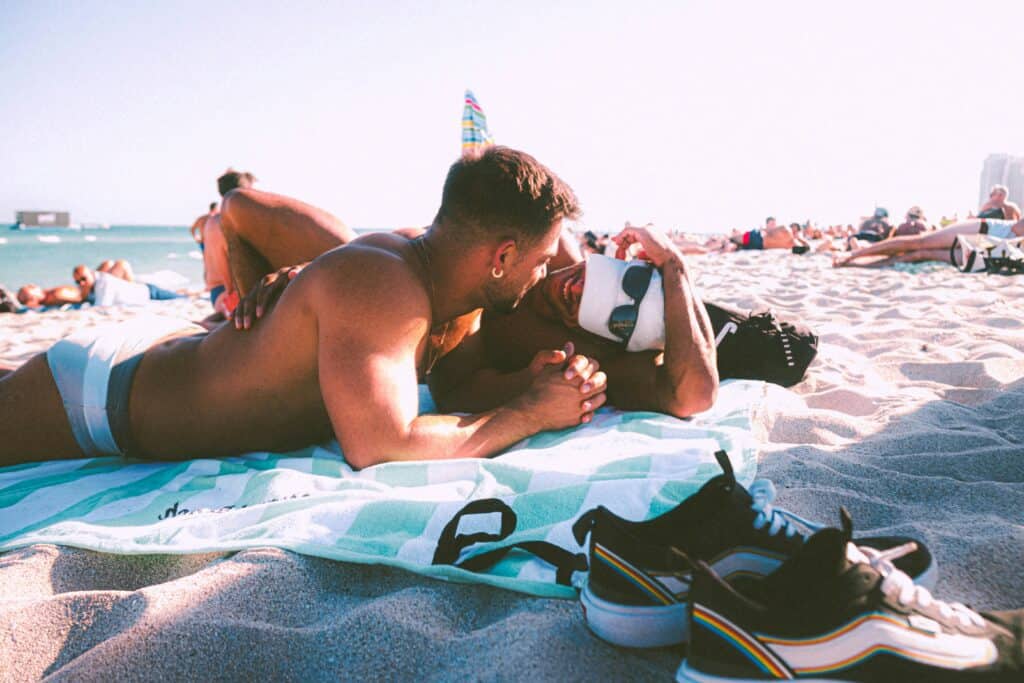
8. Take a Beach Trip
Some gay travel ideas for 2026 don’t need reinventing. They just need sunlight.
The classic gay beach trip still works because it’s honest. You show up, get Vitamin D, see people, and be seen. Simple.
Provincetown offers beach days that turn into cocktails and tea dances, with a social rhythm that’s intimate, familiar, and easy to settle into. Puerto Vallarta, by contrast, is warmer and looser, where long afternoons on the sand stretch into night and flirtation feels more fluid. Different energies, same assignment.
Buy the swimsuit that makes you feel hot, try something bold from TEAMM8, request the time off, and go.
Lean into: Beaches where being social is built-in.
Avoid: Expecting the beach to be anything other than sand and water.
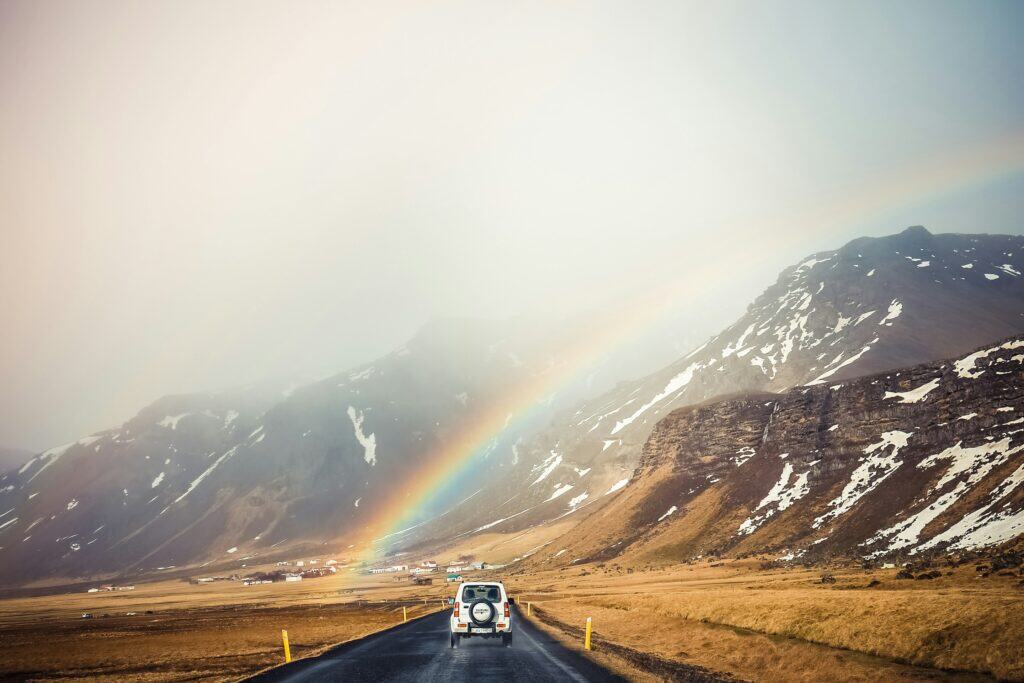
9. Take a Road Trip
Road trips feel useful again. Practical, even.
You move at your own pace, stopping when something catches your eye and building the trip as you go. It matches how we want to travel right now: flexible and low-stress.
Spring and fall are perfect for this. You don’t need a grand route like Route 66. A general direction is enough. The flexibility is the appeal: stay longer if you like it, leave if you don’t. No penalties.
Lean into: Loose plans and curiosity.
Avoid: Overbuilding the itinerary and ruining the vibe.

10. Choose Boring on Purpose
Here is a radical thought: not every year needs a “big trip.”
Opting for something quieter might be the smartest move you make, and one of the most overlooked gay travel ideas 2026 has to offer. Fewer decisions. More time doing very little.
Go somewhere familiar. Stay longer. Take a trip that looks unimpressive on Instagram but feels restorative in real life. Choosing “boring” isn’t a failure; it’s a sign you know what you actually need.
Lean into: Comfort, routine, and places you already love.
Avoid: Confusing rest with giving up.
Travel That Matches the Moment
Gay travel in 2026 isn’t about chasing trends. It’s about choosing what fits your politics, your energy, and your life.
If you’re planning travel this year, or anytime, you’ll find clear, snarky, and lived-in guidance in Fagabond’s Gay Travel Tips. It’s where we break down what actually works, what doesn’t, and what’s changed. Because clarity is the real luxury—and the best gay travel ideas for 2026 understand that.
About the Author
Blue Monroe is a Los Angeles–based contributor to Fagabond, writing about gay travel through the lens of culture, identity, and lived experience. A drag devotee with a background in digital storytelling, Blue regularly covers LGBTQ+ travel, events, and queer culture with authenticity, humor, and heart.
Learn more about Fagabond and our contributors on our About Us page.