




America is throwing itself a massive birthday party in 2026, and cities across the country are using the occasion to revisit the national story. New exhibits, newly funded historical tours, and archives pulling rarely seen artifacts into the light. It’s genuinely exciting, if you’re into that sort of thing.
But here’s the question worth asking before you book anything: where do queer people actually fit into that story?
The honest answer is everywhere. Long before rainbow crosswalks and corporate Pride floats, LGBTQ+ people were shaping the cultural, political, and artistic identity of this country. Some of those stories unfolded in places that remain powerful destinations today. Others happened in neighborhoods that have since been priced out of recognition.
This guide covers both. The places where queer history happened and the places where queer life is still actively, unmistakably happening. Those are not always the same city. But in some destinations, the overlap is impossible to ignore. Before Stonewall became shorthand for the modern LGBTQ rights movement, activists were already standing outside Independence Hall demanding equal treatment. If America 250 is about revisiting the country’s founding ideals, a few destinations suddenly feel much more relevant than they did a decade ago.

What Makes a Queer History Destination Worth Your Time and Money?
A plaque on a wall is nice. A museum exhibit is educational. Neither one is a vacation.
Great queer history travel destinations need to deliver on three fronts simultaneously. First, undeniable historical significance. Second, ongoing LGBTQ+ cultural relevance, meaning real bars, real community, real life. Third, a compelling travel experience today, including good food, welcoming hotels, and a reason to stay more than one afternoon.
If a city has a rich past but the gay bars have all closed and the queer community has scattered, it might be worth a day trip. It’s probably not worth a long weekend.
The year 2026 raises the stakes in a genuinely useful way. America 250 programming is driving significant investment in heritage tourism. Museums are opening new wings. Cities are funding new historical tours. Archives are putting rarely seen LGBTQ+ artifacts on public display for the first time. The queer history travel experience available in 2026 is meaningfully different from what existed just a few years ago. That matters.
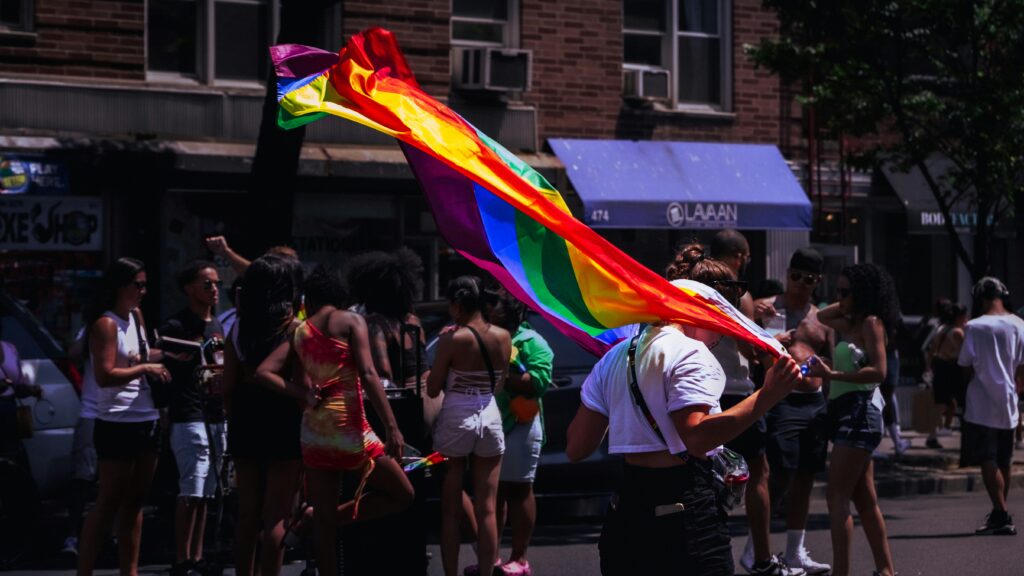
The Places That Made History vs. The Places That Still Feel Queer
Before getting into specific destinations, it’s worth being honest about something the travel industry rarely says out loud: not every place that made queer history still feels queer today.
Greenwich Village gave us Stonewall. It is now one of the most expensive neighborhoods in the world. The Stonewall Inn still operates as a bar, which is worth something. But the working-class queer community that sparked that uprising could not afford to live within ten blocks of it today. The history is real. The neighborhood is now a tourist attraction with excellent Italian food.
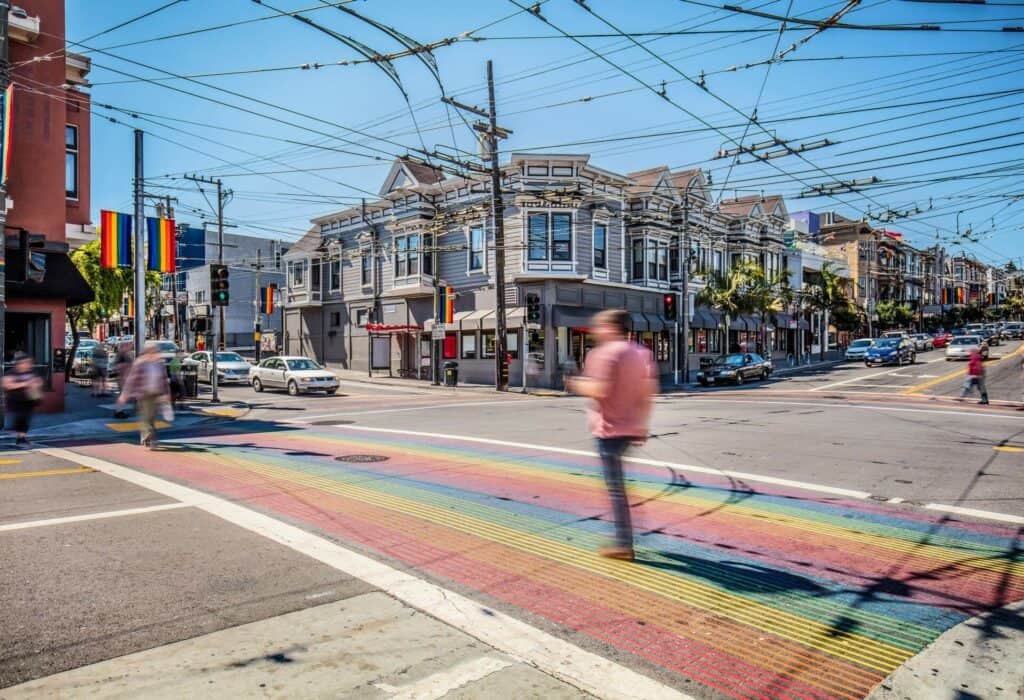
The Castro gave us Harvey Milk. It gave the country a model for what a visible, politically organized queer community could look like during the darkest years of the AIDS crisis. Today, the tech boom transformed San Francisco so thoroughly that many LGBTQ+ residents dispersed to Oakland, the East Bay, and beyond. The Castro is still fun. It is heavily branded. It has excellent historical markers. But it feels more like a monument to what it was than a living expression of what it is.
Boston’s South End has deep historical significance and was once a genuinely vibrant gay neighborhood. Gentrification has shifted its demographics considerably. The history is accessible. The scene is quieter.
Contrast those with Provincetown and Key West, two places where queerness isn’t a chapter in the local history book. It’s the whole story, present tense, every single day.
This distinction matters for trip planning. If you want to stand where history happened, New York, San Francisco, and Boston deliver. If you want to be somewhere that still unmistakably belongs to queer people, Provincetown and Key West are in a different category entirely.
The Best Queer History Destinations for America 250
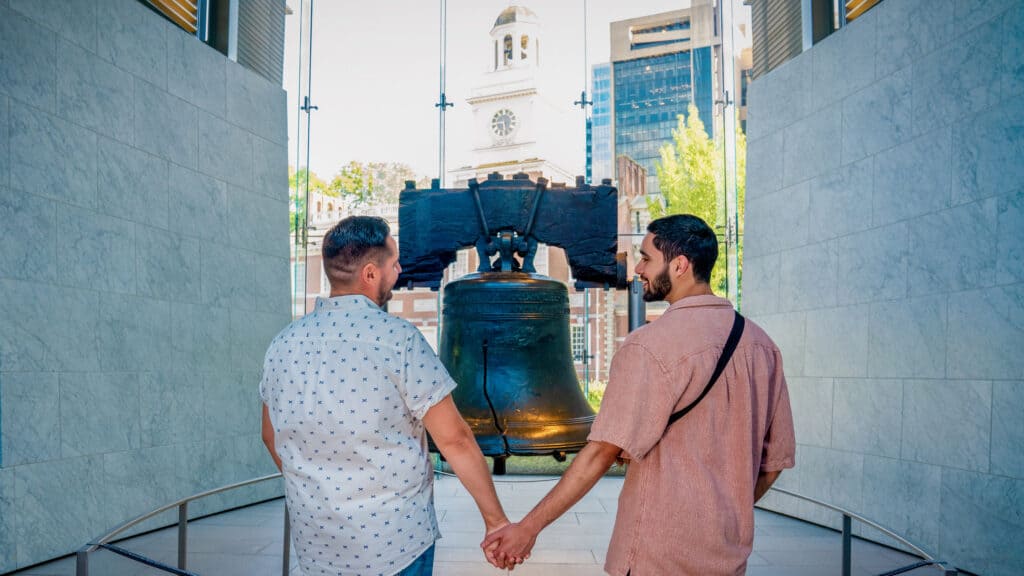
Philadelphia: The Most Underrated Queer History Destination in America
Why It Matters
Philadelphia may be the most underrated queer history destination in the country, and that’s not a close call. Years before Stonewall, activists gathered outside Independence Hall for the Annual Reminders, organized pickets from 1965 to 1969 that were among the first sustained gay rights demonstrations in American history. The fact that they happened steps from where the Declaration of Independence was signed is not just interesting. It’s almost uncomfortably on the nose.
What makes Philadelphia genuinely distinctive is that you don’t have to choose between queer history and American history. They’re layered on top of each other, sometimes literally. You can walk from Independence Hall to the Gayborhood in less than ten minutes. No other city in this guide offers that.
What It Feels Like Today
Philadelphia remains a city that earns its reputation. The Gayborhood is physically marked by rainbow street signs, and it still functions as the center of queer nightlife rather than a memory of it. Tavern on Camac and The Little Gay Pub are both worth your time. The food scene across the city is genuinely spectacular, and the hotel prices are a fraction of what you’d pay in New York.
Personal Observation: Philly has this quality where the locals seem almost annoyed that more people haven’t figured out how good it is. That energy extends to the queer community. It’s not performing for tourists. It’s just living.
Ranking: Best Overall Queer History Destination
Choose Philadelphia if you want an affordable, walkable city where queer history and American history genuinely intersect, and where the gay scene still has a pulse strong enough to keep you out late.
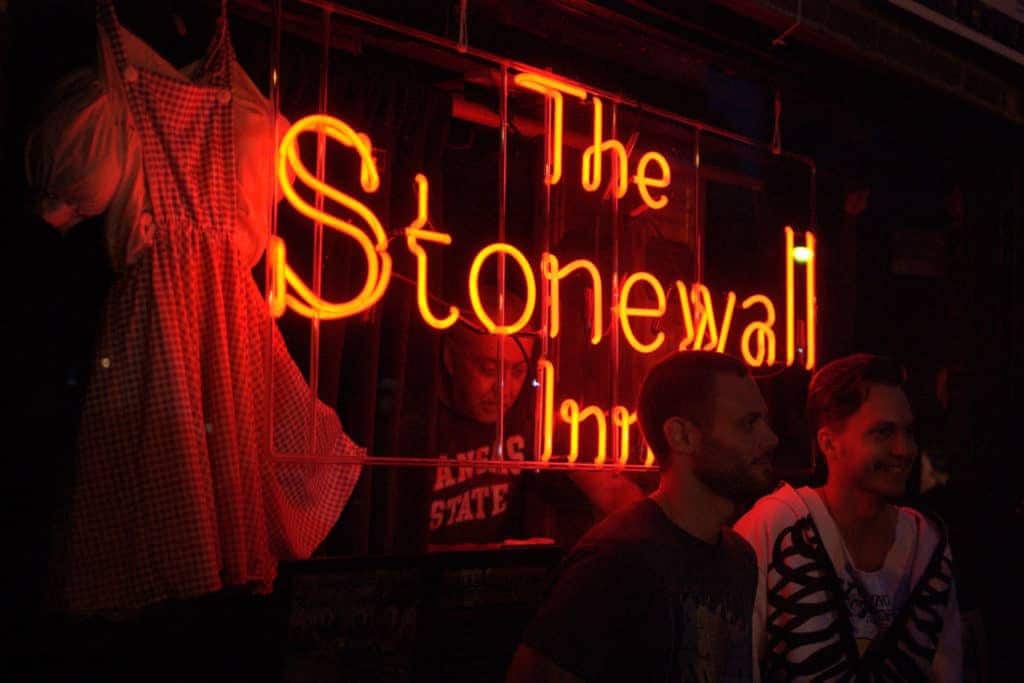
New York City: The Most Important LGBTQ+ Landmark in the Country
Why It Matters
New York is mandatory. The 1969 Stonewall uprising in Greenwich Village changed the trajectory of the gay rights movement globally. Full stop. The city is also home to the LGBT Community Center, the site of ACT UP organizing, and decades of artistic and political history that shaped queer culture worldwide.
What It Feels Like Today
Here’s what the history books don’t tell you: Greenwich Village is no longer where much of gay Manhattan actually lives. Hell’s Kitchen has absorbed a significant chunk of the city’s queer energy, with a dense cluster of bars and a neighborhood that feels a lot more like the Village did thirty years ago than the Village does now. Brooklyn’s queer scenes in Bushwick and Prospect Heights are doing things artistically that are genuinely worth your attention.
The Stonewall Inn still operates as a bar, and the new Stonewall National Monument Visitor Center adds crucial context for first-time visitors. Go. Take it seriously. Then go have a drink in Hell’s Kitchen and talk to people who actually live there.
Ranking: Most Important LGBTQ+ Landmark
Choose New York if you’re serious about LGBTQ+ history and want access to the most significant physical sites in the movement’s history. Budget generously and book early, especially for 2026.
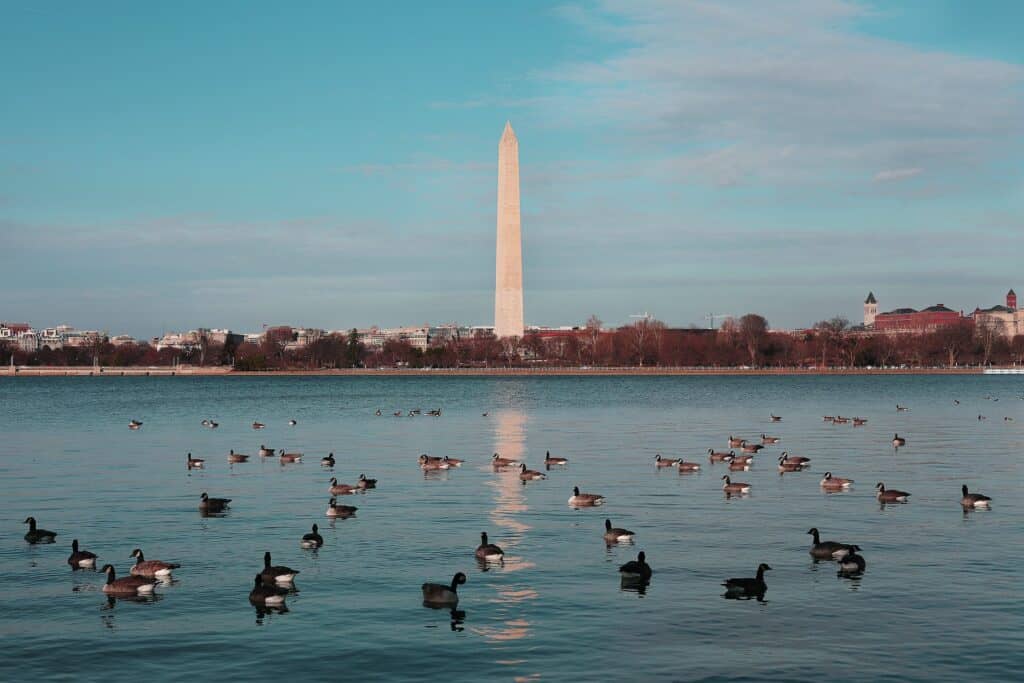
Washington, DC: Best for Museums and Federal History
Why It Matters
Washington, DC is where federal activism lived and breathed. Dr. Frank Kameny led protests here after being fired from the government for being gay. The AIDS Memorial Quilt was displayed on the National Mall. The March on Washington for Lesbian and Gay Rights brought hundreds of thousands to the city. These weren’t just local events. They were moments that moved national policy.
For 2026 specifically, DC might be the single most rewarding destination on this list. The Smithsonian institutions are leaning hard into America 250, which means you’ll see queer history integrated into national exhibits at a scale that simply hasn’t existed before. That’s a once-in-a-generation opportunity.
What It Feels Like Today
DC is professional, highly educated, and genuinely gay. Dupont Circle carries historical weight and still functions as a neighborhood with real identity. Logan Circle and 14th Street offer modern nightlife and some of the best restaurants in the city.
Ranking: Best for World-Class Museums and Federal History
Choose Washington, DC if you want to combine the best museum programming in the country with a city that takes its queer history seriously at an institutional level.
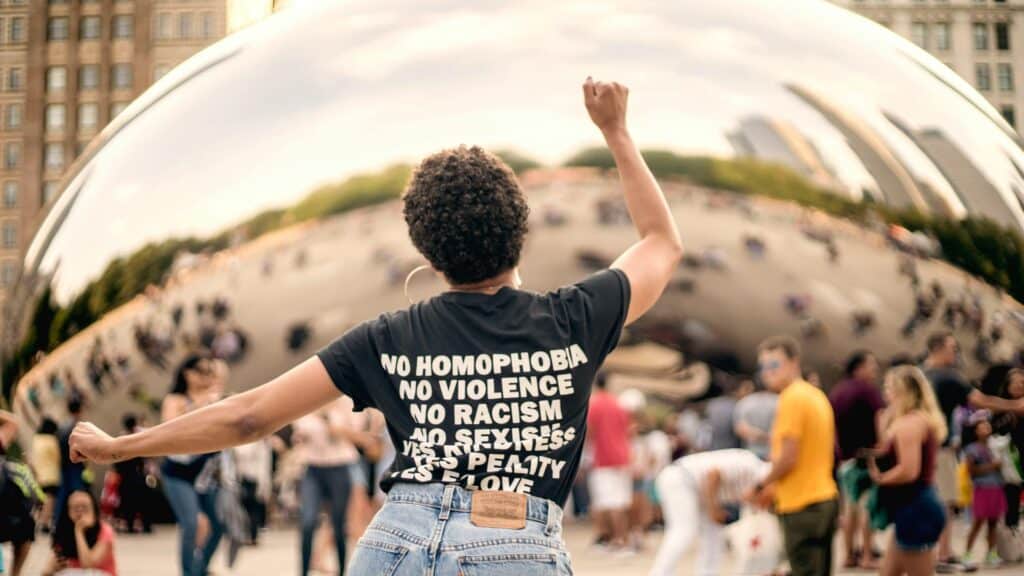
Chicago: Best Blend of History and Nightlife
Why It Matters
Chicago established the first recognized gay village in the United States. The city has a fierce, ongoing tradition of LGBTQ+ activism that predates many of the moments that get more national attention. The Legacy Walk on Halsted Street functions as a genuine outdoor museum, with bronze pylons honoring LGBTQ+ historical figures in a format that’s accessible, engaging, and free.
What It Feels Like Today
Northalsted (formerly Boystown) remains one of the most concentrated and energetic gay neighborhoods in the country. It’s packed with bars, restaurants, and queer-owned businesses in a way that feels organic rather than curated for visitors. Chicago has a Midwestern directness that makes the city feel welcoming in a way that doesn’t require a guidebook to navigate.
Ranking: Best Blend of History and Nightlife
Choose Chicago if you want a massive, centralized gay neighborhood, exceptional food, and a political history that goes deeper than most travelers realize.
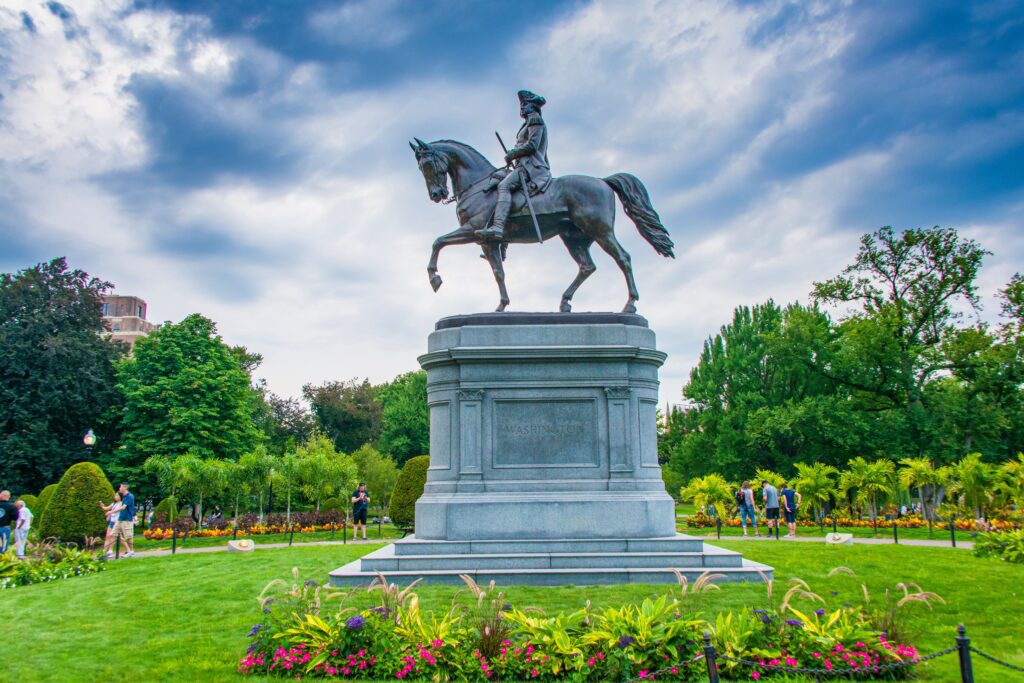
Boston: Best for History Walks and Architecture
Why It Matters
Boston offers something genuinely unique: a window into early American queer history that predates the modern movement by decades. The concept of “Boston marriages,” which allowed two women to live together independently of men in the late 19th century, originated here. For America 250, the city’s deep ties to the Revolutionary War make it a focal point for programming that’s specifically examining who did and didn’t get included in the founding story.
What It Feels Like Today
Boston is intellectual and architecturally beautiful. The South End retains a gay presence, though it’s quieter than it once was. The nightlife is modest compared to New York or Chicago. The dining scene is exceptional, and the walkability is outstanding.
Ranking: Best for Revolutionary History
Choose Boston if you prefer a slower pace, serious history, and don’t need a massive nightlife scene to have a good time.
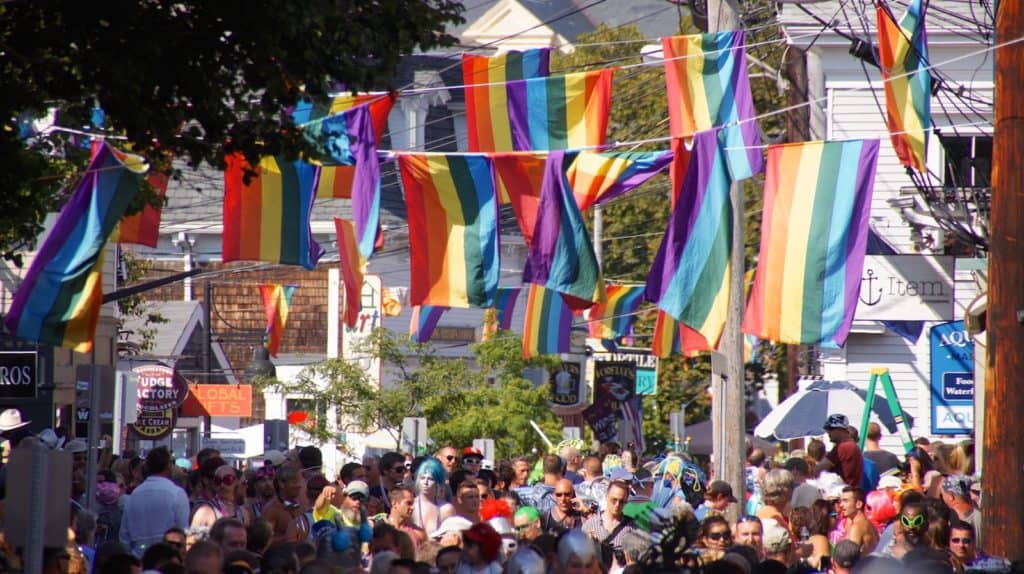
Provincetown: Most Unapologetically Queer Destination in America
Why It Matters
Provincetown has been a haven for queer artists and outcasts for over a century. That history isn’t incidental to what P-town is. It’s the entire foundation.
What It Feels Like Today
Walking down Commercial Street in Provincetown feels like stepping into an alternate reality where LGBTQ+ people are simply the majority. Not the interesting minority. Not the celebrated guests. The default. That’s a profoundly rare feeling, and it doesn’t happen by accident. The town is fiercely protective of its identity in a way that has resisted the homogenizing forces that transformed so many other destinations.
Yes, it’s expensive. Yes, summer is crowded and the hotel prices are genuinely absurd. But Provincetown during Bear Week, Carnival, or any of its rotating themed weeks is a specific kind of experience that has no real equivalent anywhere in the country.
Personal Observation: P-town is one of those places where you arrive slightly skeptical of the hype and leave already planning your return trip. The sense of belonging is not a marketing slogan. It’s the actual experience of being there.
Ranking: Most Unapologetically Queer
Choose Provincetown if belonging matters as much as history, and you want a destination where queer life isn’t something that happened here. It’s something that happens here, every single day.
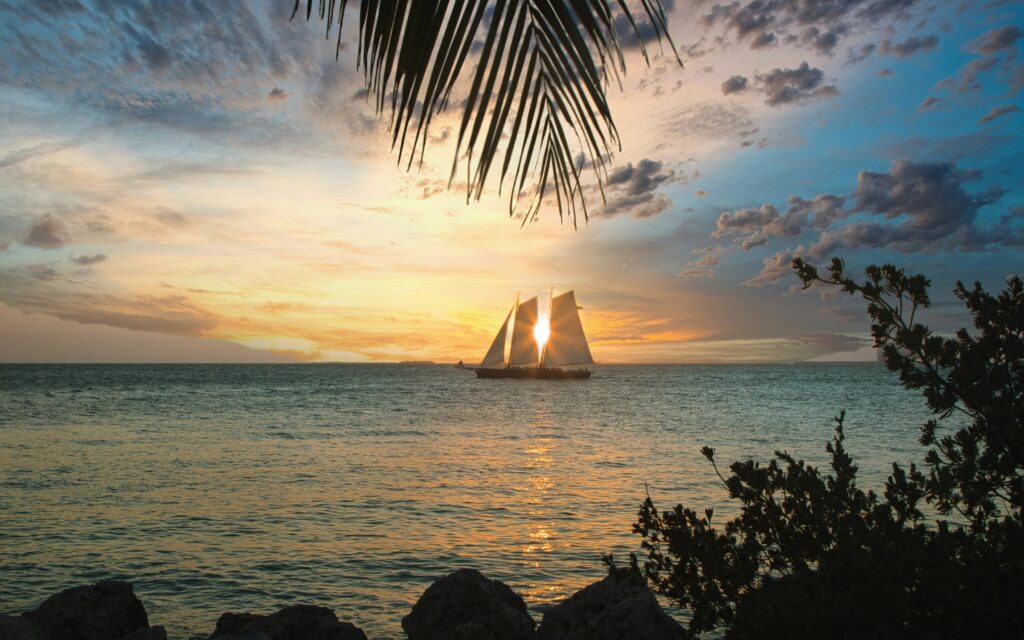
Key West: Best Winter Escape
Why It Matters
Key West operates on its own frequency. The island elected one of the first openly gay mayors in the country, and has embraced the “One Human Family” motto in a way that shows up in actual city policy, not just on bumper stickers. The LGBTQ+ history here is tied to artists like Tennessee Williams and a broader tradition of people choosing this island specifically because it didn’t follow mainland rules.
What It Feels Like Today
Key West remains one of the rare places where queer history feels lived rather than preserved. The island’s LGBTQ+ story isn’t confined to a museum exhibit or an annual event. It shows up in guesthouses like Island House, bars, city politics, and everyday conversations between people who actually live here and chose it deliberately.
You don’t go to Key West to look at historical plaques. You go because the whole island has a posture of not caring what anyone thinks, and that posture has been queer-inflected for decades. Duval Street is chaotic and wonderful. The sunsets are legitimately spectacular. The water is absurdly clear.
Personal Observation: Key West rewards slow travel. Rent a bicycle. Talk to the people who run your guesthouse. The city’s queer identity comes through most clearly when you stop trying to see everything and just let the place happen to you.
Ranking: Best Winter Escape
Choose Key West if you want warm weather, a relaxed pace, and a town that has been unapologetically queer for so long that it’s simply part of the infrastructure.
San Francisco: Essential Pilgrimage, Eyes Open
Why It Matters
The Castro is globally famous for good reason. Harvey Milk’s camera shop was here. The neighborhood became a sanctuary and an organizing center during the AIDS crisis in ways that saved lives and changed the national conversation.
What It Feels Like Today
San Francisco is a more complicated story now. The tech boom transformed the city’s demographics and economics in ways that pushed many LGBTQ+ residents out. The Castro is still fun, still heavily marked with historical significance, and still worth visiting. But if you go expecting the neighborhood to feel like the 1970s or even the 1990s, you’ll be confused. It’s a pilgrimage site now as much as a living community. That’s not a criticism. It’s just the honest version.
Ranking: Essential Pilgrimage
Choose San Francisco if you’ve done your reading and want to stand in the places where the history actually happened. Combine it with Oakland if you want to see where a lot of the queer creative energy has actually moved.
Smaller Cities Worth Watching
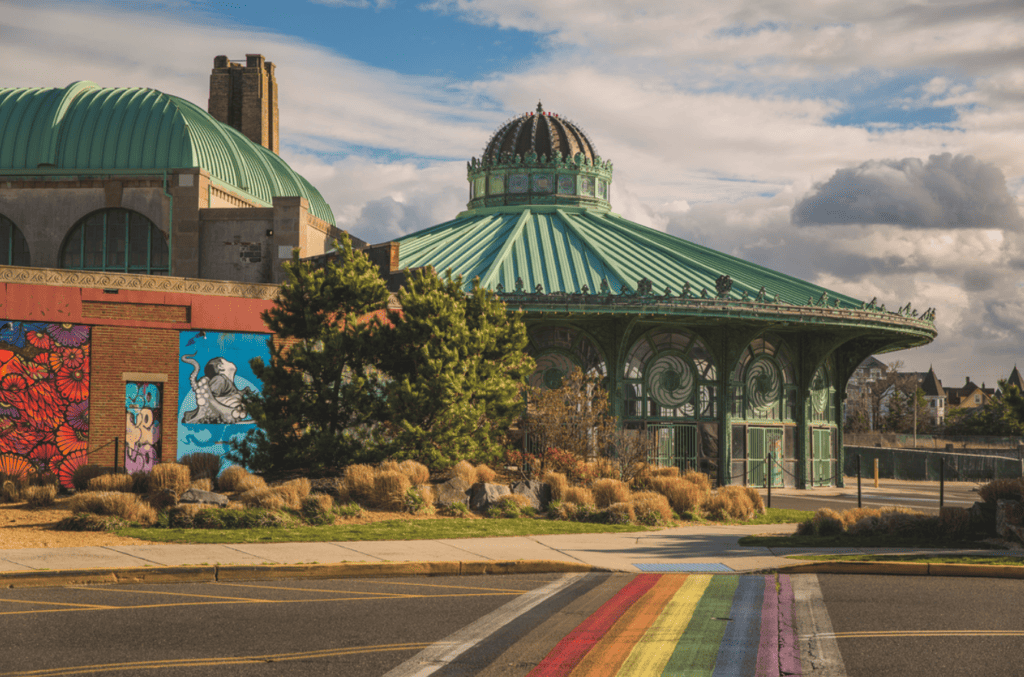
If you prefer smaller crowds, Palm Springs offers a massive gay population, stunning mid-century architecture, and weather that makes January feel like a gift. Asbury Park delivers a queer-friendly beach town with deep musical roots and a scrappier energy than the more polished destinations on this list. Providence blends New England history with an artsy, quirky LGBTQ+ scene that feels authentic in a way that’s increasingly hard to find.
What’s Actually Changed in These Places
The Classic Gay Neighborhood Is Not What It Was
Decades ago, LGBTQ+ people clustered in specific neighborhoods for safety and community. That clustering created the cultural density that made places like Greenwich Village, the Castro, and the South End historically significant. Today, increased societal acceptance and aggressive gentrification have dispersed those communities. The working-class queer people who made that history couldn’t afford to live in those neighborhoods now. When you walk through Greenwich Village or the South End today, you’re looking at some of the most expensive real estate in America. The history happened there. The community often didn’t stay.
This isn’t a reason to avoid those destinations. It is a reason to go in with accurate expectations.
Heritage Tourism Is Having a Genuine Moment
Travelers increasingly want culture, history, and connection. While Pride events are fun, many travelers find the larger ones too corporate, too crowded, or both. Heritage tourism offers a different kind of experience. Exploring queer historic sites is slower and more intentional. For America 250, that option has never been better funded or more accessible.
Visibility Still Translates Directly to Safety
Even in 2026, LGBTQ+ travelers have to think about personal safety when choosing a destination. A city that actively promotes its queer history is signaling something real about how it values its queer residents and visitors. The destinations in this guide are all safe, welcoming, and actively protective of their LGBTQ+ communities. That’s not a given everywhere. It matters here.
Affordability Is a Real Factor
Provincetown, New York, and San Francisco all require a serious budget, especially during 2026 when America 250 programming will drive demand. Book early. Expect premium pricing. If you’re working with a tighter budget, Philadelphia and Chicago offer dramatically better value without sacrificing the cultural experience. Philadelphia in particular might be the best return on investment on this entire list.
Which Queer History Destination Is Right for You?
Choose Philadelphia if you want the most underrated destination on this list, an affordable city where queer history and American history are literally built on top of each other, and a gay scene with genuine staying power.
New York if you’re serious about LGBTQ+ history and want access to the most historically significant sites in the movement. Accept the cost, book early, and spend time in Hell’s Kitchen alongside Greenwich Village.
Chicago if you want a massive, centralized gay neighborhood, some of the best food in the country, and a political history that rewards deeper research.
Washington, DC if you want world-class museums, the best America 250 programming of any city on this list, and a polished nightlife scene that doesn’t require a massive budget.
Boston if you prefer history walks, serious architecture, upscale dining, and a slower pace over major nightlife.
Provincetown if you want the most unapologetically queer destination in America, where belonging is the whole point and the history is simply part of daily life.
Key West if you want warm weather, a relaxed island pace, and a town that has been deliberately, proudly queer for so long that it’s baked into the city’s identity.
San Francisco if you’ve done the reading and want to stand where the history actually happened, with clear eyes about how much the city has changed.
Two-Destination Itineraries Worth Considering
If you have three or four days, combining destinations that offer contrasting experiences tends to work better than trying to pack everything into one place.
Philadelphia and Washington, DC: Amtrak connects these two cities in about two hours. You get the birthplace of American activism alongside federal history and the best museum programming in the country.
Boston and Provincetown: Two days in Boston for history and architecture, then a fast ferry to P-town for something completely different. The contrast makes both cities feel sharper.
New York and Fire Island: The intense urban history of Stonewall against the isolated, specific queer culture of the Pines or Cherry Grove. No other combination makes the “then and now” question feel more vivid.
The Bigger Picture
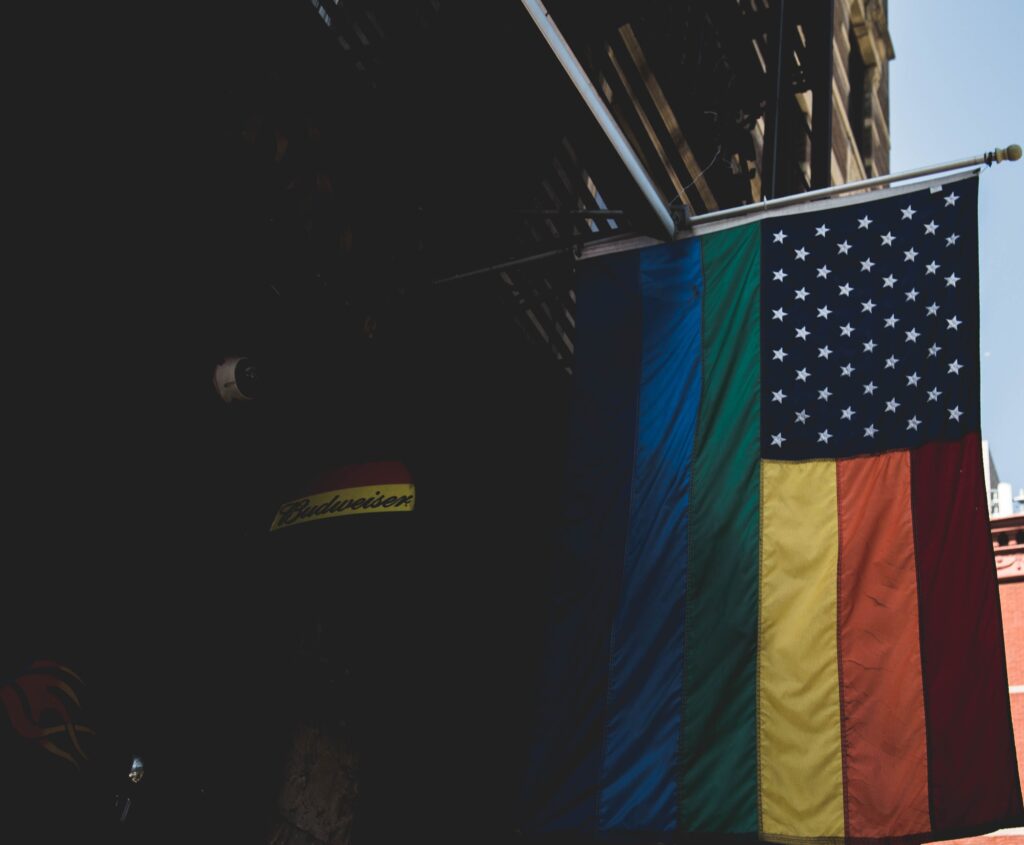
As America celebrates 250 years of history, these destinations offer a reminder that LGBTQ+ people were never standing outside the story. They were helping write it all along.
The best queer history destinations are not museums frozen in time. They’re living places. Cities where the past still shapes the neighborhoods, businesses, institutions, and communities travelers encounter today.
Whether you’re drawn to Philadelphia’s role in the early gay rights movement, New York’s place in LGBTQ+ activism, Provincetown’s enduring queer culture, or Key West’s uniquely welcoming spirit, the real value isn’t checking a landmark off a list. It’s experiencing places where queer history continues to influence daily life.
Ready to start planning? Explore our city guides and LGBTQ+ travel tips to find the destination that fits your interests, budget, and travel style.
Because the best way to understand LGBTQ+ history isn’t always to read about it. Sometimes it’s to visit the places where it happened.
Frequently Asked Questions
Are these destinations safe for LGBTQ+ travelers?
Yes. Every destination on this list has strong local protections for LGBTQ+ individuals and highly visible queer communities. Standard travel precautions always apply, but these cities actively celebrate their queer residents. These cities actively celebrate their LGBTQ+ communities and have visible queer neighborhoods, businesses, and institutions. That matters when you’re deciding where to spend your time and money.
Do I need to visit during Pride month to experience queer history?
No, and in many cases you’re better off visiting outside of June. Crowds are smaller, hotel prices drop considerably, and you’ll have an easier time getting into museums and historical sites. The history doesn’t go anywhere when Pride month ends.
Are America 250 celebrations inclusive of LGBTQ+ history?
Major cities like Washington, DC, Philadelphia, and Boston are specifically incorporating diverse and queer narratives into their 2026 programming. The Smithsonian institutions and local historical societies in these cities are developing exhibits that highlight LGBTQ+ contributions to the national story in ways that haven’t existed before.
How expensive is Provincetown or Key West?
Both are premium travel markets. Provincetown in summer is exceptionally expensive. Key West is pricey year-round due to its island geography. Traveling during shoulder seasons (May or September) cuts costs significantly without meaningfully compromising the experience.
Which destination offers the best budget value?
Philadelphia. It’s not close. Cheaper hotels than New York, a world-class food scene, walkable neighborhoods, and queer history woven into the fabric of the city itself. If you’re planning one America 250 trip and you’re watching your budget, start there.
About the Author
Blue Monroe is a Los Angeles–based contributor to Fagabond, writing about gay travel through the lens of culture, identity, and lived experience. A drag devotee with a background in digital storytelling, Blue regularly covers LGBTQ+ travel, events, and queer culture with authenticity, humor, and heart.
Learn more about Fagabond and our contributors on our About Us page.